Supreme Court Rejects California Ballot Freeze on Election Eve — What the Order Does and Does Not Decide
· News Team
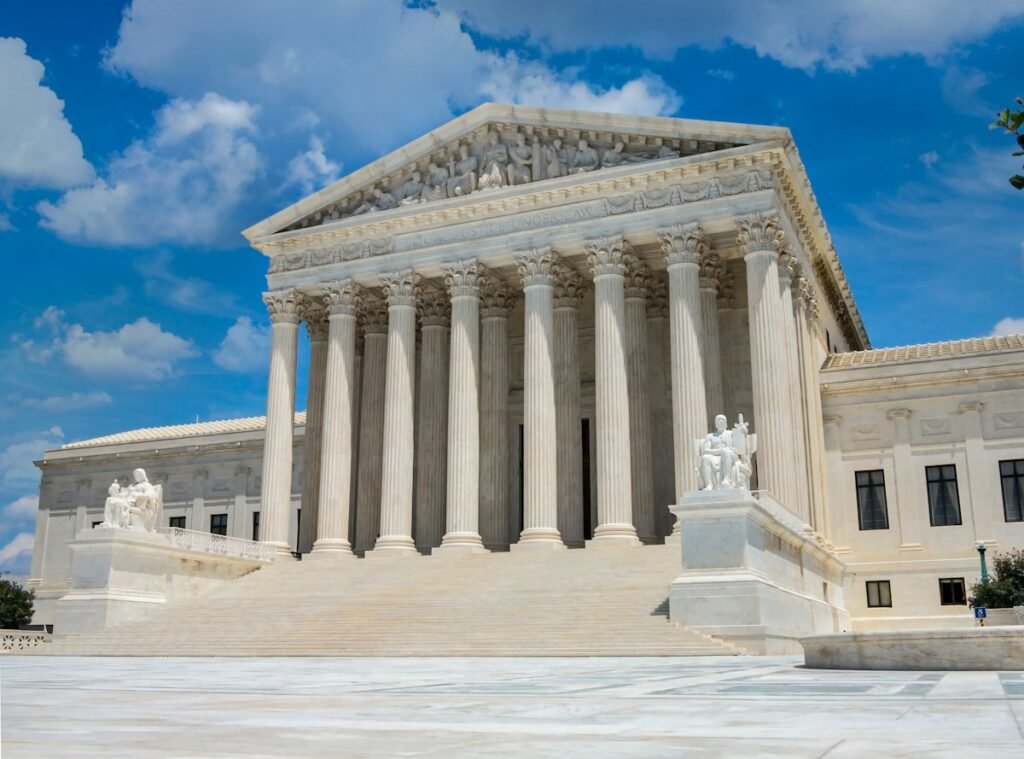
Updated November 2, 2026. The U.S. Supreme Court has refused the Trump administration’s emergency request to make California separate ballots associated with roughly 20,000 people whom federal officials suspect may not be U.S. citizens. The decision arrives immediately before the November 3 midterm elections, but it is not a ruling that the people on the government’s list are eligible—or ineligible—to vote.
What the justices actually ordered
The court’s one-page November 2 order in United States v. California, docket 26A624, states only that the application for an injunction pending appeal is denied. It offers no explanation and announces no final judgment on the underlying citizenship allegations. The Associated Press reports that no justice publicly dissented. That distinction matters: an emergency denial leaves the requested ballot-separation order unavailable at this stage; it does not resolve every issue in the lawsuit.
The Justice Department argued that ballots connected to the challenged voter records should be kept apart until citizenship checks could be completed, because votes mixed into the general count could be difficult to identify later. California officials countered that the federal list contained substantial errors and that imposing a new segregation process after voting began could keep lawful votes from being counted. Both sides’ positions are arguments in litigation, not established findings that 20,000 unlawful ballots exist.
Why the list of names is not a count of illegal votes
The roughly 20,000 figure refers to records flagged by the administration, not a verified number of ballots cast by noncitizens. According to reporting by The Washington Post, researchers examining the list said thousands of listed individuals were not on California’s voter rolls and that some records appeared to match U.S. citizens. The government maintains that the records warrant further investigation. Noncitizen voting is prohibited by federal law, but suspicion based on a data match is not proof of an unlawful vote.
The practical consequence for Tuesday’s vote
California has been processing mail ballots since early October. With voting already underway, state officials told courts that locating and separating the challenged ballots would be logistically difficult. The Supreme Court’s refusal to issue an emergency injunction therefore leaves existing ballot-handling procedures in place for now, rather than requiring a last-minute change. It does not prevent properly supported investigations or later court proceedings.
In a separate federal case on Monday, a judge also ruled against last-minute federal demands directed at California election administrators, citing constitutional limits on executive control of election rules. These cases are related in political context but involve distinct legal orders and should not be treated as one decision.
What happens next
The immediate question for election officials is whether they can process votes consistently and transparently without disenfranchising eligible voters. The longer-term legal question is how federal authorities can substantiate claims of noncitizen registration while respecting state election procedures and due process. The Supreme Court’s short order settles neither factual question. Any future claim that disputed ballots were unlawful would require evidence beyond their inclusion on the government’s list.
Featured image: U.S. Supreme Court exterior, Fine Photographics / Unsplash (illustrative file photograph).
Sources and documents
- U.S. Supreme Court, November 2, 2026, order in United States v. California (26A624) — primary legal document.
- Associated Press, November 2, 2026 — decision, parties’ arguments and election context.
- The Washington Post, November 2, 2026 — filings, data-quality concerns and related proceedings.
- Earlier Tectonics coverage of the lower-court dispute.
Editorial note: No event-specific authorized video was independently verified for embedding at publication time. No footage has been represented as showing this decision.


About The Author





Leave a Reply