Three Ukrainian Power Plants Stop Generating After Russian Strikes — Why Winter Outages Could Deepen
· News Team
November 3, 2026 — A wave of Russian missile and drone strikes has forced three thermal power stations operated by Ukraine’s DTEK to stop generating electricity, the company said Tuesday, intensifying concern over the country’s ability to maintain power and heating as winter approaches.
DTEK’s November 3 statement says the attacks occurred overnight and in the morning, damaged equipment and infrastructure and halted output at all three plants. The company did not disclose the plants’ locations for security reasons. It reported no casualties at those facilities in its preliminary assessment and said repairs would begin when security conditions permit.
A nationwide energy shock, not just three damaged plants
Reuters reported that Ukrainian President Volodymyr Zelenskiy described a much wider attack involving 289 drones, 17 ballistic missiles and 59 cruise missiles. Those figures are Ukrainian official counts, not independently verified launch totals. Power plants and substations were hit across several regions, while electricity interruptions affected the capital and other areas.
Generation outages and damage to transmission equipment present different challenges. A power station can be repaired yet remain unable to deliver electricity if connecting substations are damaged; conversely, restored lines cannot replace unavailable generation. The scale and duration of the interruption therefore depend on repair access, spare equipment, grid balancing and further attacks.
Why the timing matters
The strikes occurred a week before US-mediated discussions scheduled for November 10–11 in Abu Dhabi. A proposed halt to attacks on energy infrastructure has been discussed, but no enforceable new ceasefire should be assumed. Russia says its operations target facilities supporting Ukraine’s military; the civilian consequences and the status of individual targets require independent scrutiny.
For households, the immediate questions are how long outages last and whether heating, water pumping, hospitals and transport can continue operating. For the broader economy, repeated interruptions can force businesses to rely on generators and raise operating costs. Those are risks, not a prediction that all affected regions will experience prolonged blackouts.
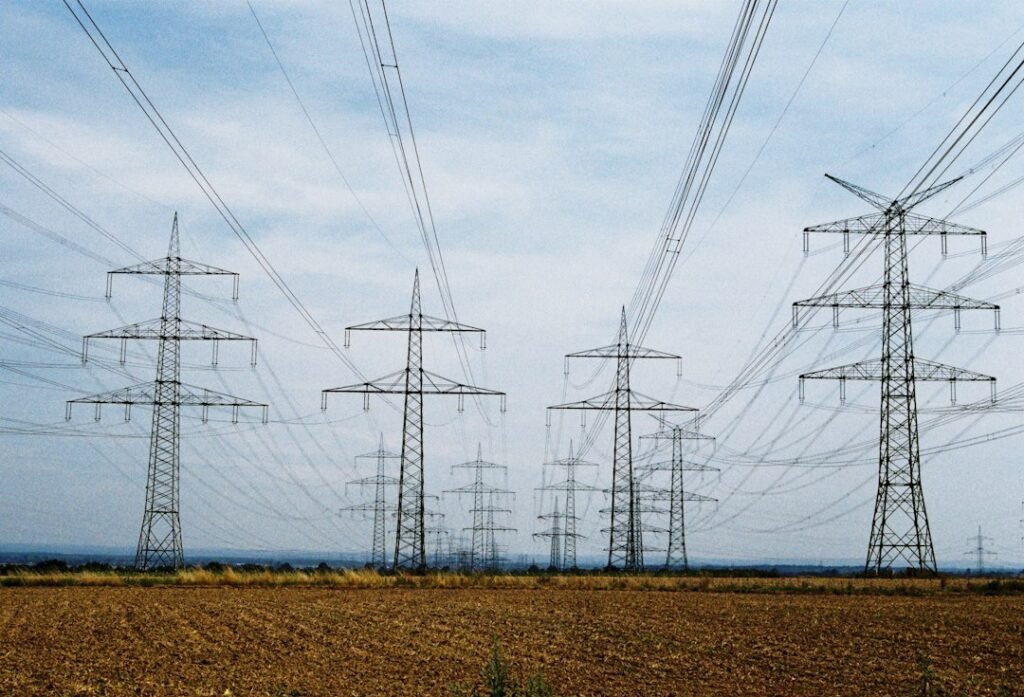
Image: Illustrative photograph of power lines, not the November 3 attack. Chris Weiher / Unsplash.
Sources: DTEK, November 3; Reuters, November 3; Associated Press, November 3.


About The Author





Leave a Reply