Merz Puts Europe’s AI Independence on the Agenda — The Hard Part Starts After Berlin’s Summit
· News Team

BERLIN, November 2, 2026 — German Chancellor Friedrich Merz used the federal government’s Digital Summit to argue that Europe must be able to develop and control more of the technology on which its economy depends. The challenge is not simply building a European chatbot. It is securing a credible chain of computing capacity, skilled workers, industrial applications and trustworthy public services.
Merz’s message, reported by Reuters on Monday, comes as European policymakers weigh the economic opportunities of artificial intelligence against reliance on overseas cloud infrastructure, processors and foundational models. His comments are a policy argument, not proof that Germany has already closed the gap with leading AI powers.
What happened in Berlin?
The two-day Digital Summit, November 2–3, is organized around the theme “Shaping AI: safe, sovereign, competitive.” The official program brings together policymakers, technology companies, researchers and international partners, including participants from Canada and the European Union. The Federal Chancellery’s event notice confirms Merz’s participation, including a speech, a robotics demonstration and discussions with business representatives.
That mix of speakers matters. The industrial opportunity for Germany lies partly in connecting AI to manufacturing, engineering, logistics and public administration.
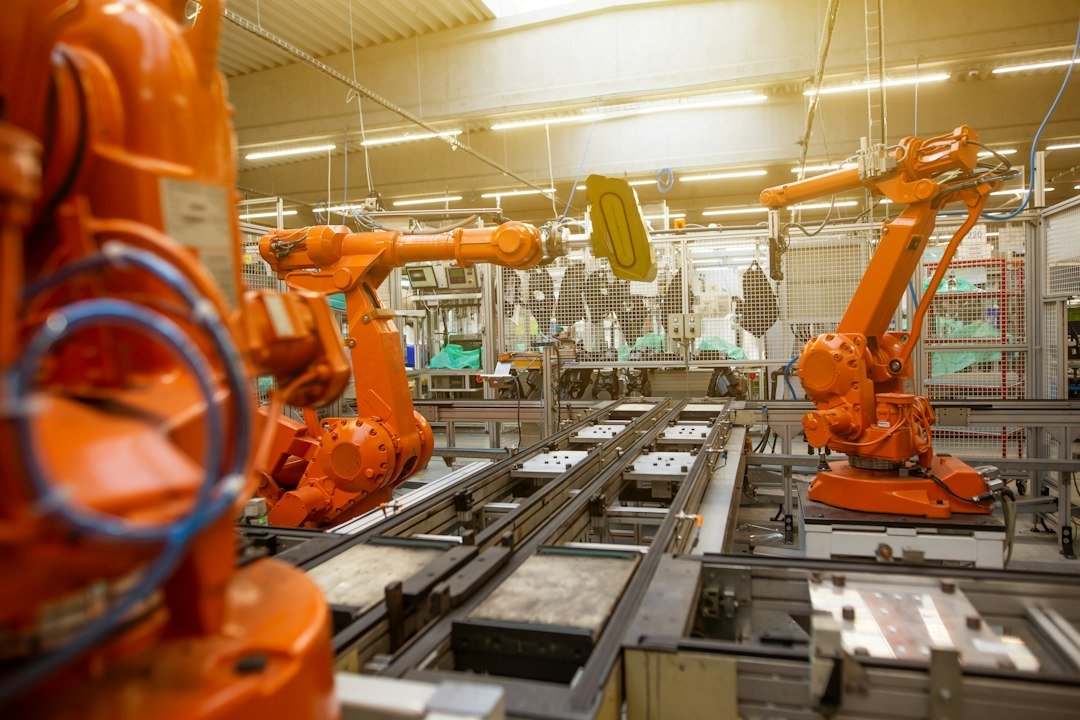
A factory system that reduces wasted energy or a public-service tool that cuts waiting times may deliver more immediate economic value than an announcement about model size.
What does “digital sovereignty” actually mean?
The term is often misunderstood as a demand to abandon foreign suppliers. A more practical test is whether European governments and companies can choose among providers, protect sensitive information, audit important systems and maintain essential services if a supplier or geopolitical relationship changes.
That requires multiple layers: accessible computing infrastructure, competitive local software and model providers, cybersecurity, public-sector procurement capacity and a workforce that can deploy AI safely. Buying servers alone does not create sovereignty if applications, data access and operational expertise remain concentrated elsewhere.
The execution gap
Germany’s challenge is to turn summit rhetoric into measurable deployment. Reuters noted longstanding concerns about slow administrative digitalization, infrastructure and shortages of relevant skills. Governments can announce research programs, but businesses will judge them by whether permits, public services and infrastructure actually improve.
There is also a tension between resilience and cost. Maintaining domestic alternatives can reduce concentration risk, yet requiring every system to be locally developed could raise prices and slow adoption. Competitive procurement and interoperable standards may be more effective than simply preferring a national label.
What to watch after the summit
Three outcomes would make the discussion concrete: funded projects with named delivery dates; procurement rules that make secure, interoperable technology easier to adopt; and independently reported results showing that industrial or public-sector AI systems work outside pilot demonstrations.
For now, the summit establishes a political priority, not a completed technological transformation. The official event page offers a livestream for November 2–3; availability of an archived recording has not been independently confirmed.
Featured image: Illustrative Berlin cityscape, not a photograph of the summit. Florian Wehde / Unsplash.
Sources and verification
Reuters, November 2, 2026; Federal Chancellery summit notice; Federal Digital Ministry program; dpa coverage, November 2. Reporting cutoff: November 2, 2026, approximately 19:00 CET.


About The Author





Leave a Reply