WHO Warns Ethiopia’s Northern Health System Is Near Breaking Point After Reported Civilian Attacks
· News Team

Published November 2, 2026. The head of the World Health Organization has warned that reported attacks on civilians in northern Ethiopia are worsening an already fragile health emergency. The latest accounts concern a displacement camp in Amhara and people seeking food in neighbouring Tigray. Details of the incidents remain incomplete, including the dates, number of casualties and who carried them out.
The warning raises a question that goes beyond the immediate violence: can hospitals and aid workers continue to operate when insecurity interrupts medicine deliveries, ambulance journeys and the movement of health professionals?
What the WHO chief reported
WHO Director-General Tedros Adhanom Ghebreyesus said children, including a newborn, were reportedly among those killed at the Jaari 2 displacement camp in Amhara. He also cited reports that people seeking food were killed in Rama, Tigray. His statement did not give verified casualty totals or identify perpetrators, and those gaps should not be filled with speculation.
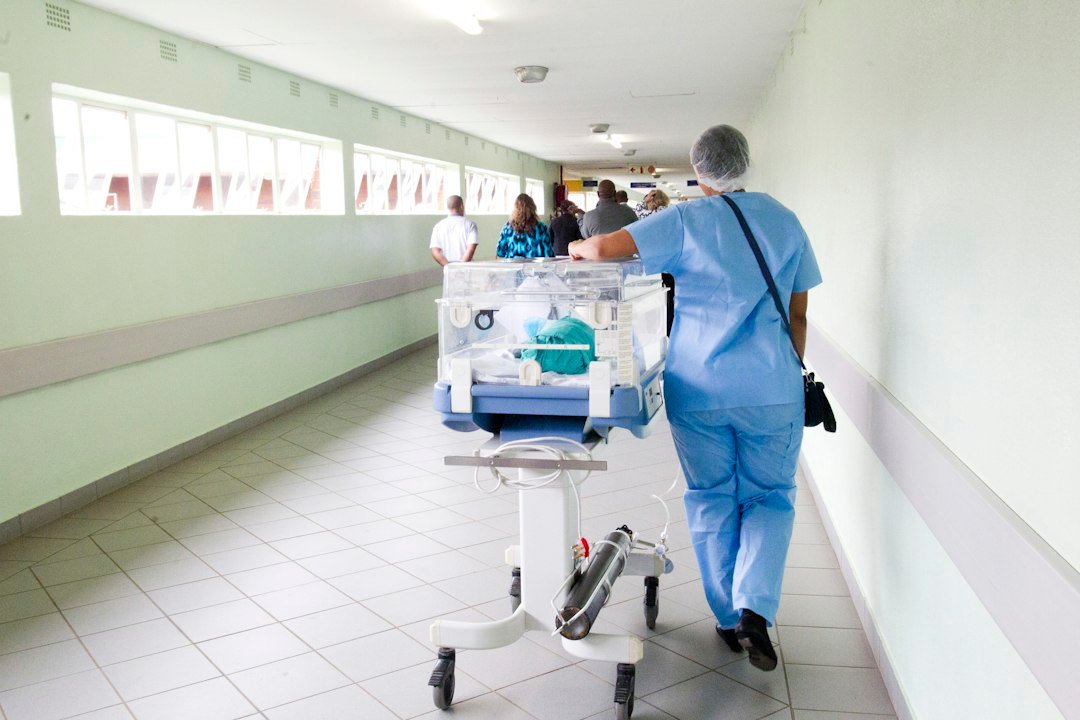
Tedros said hospitals were facing shortages of workers, medicines and equipment. Ambulance services were severely constrained, while insecurity was impeding the delivery of essential medical supplies. WHO and other United Nations partners were working to send additional assistance, he said.
Why a disrupted health system can deepen the crisis
Health services depend on more than functioning hospital buildings. Patients need safe transport, staff need to reach clinics and pharmacies need reliable deliveries. When roads become dangerous or ambulances cannot move, conditions that might otherwise be treatable can become life-threatening. Those consequences can continue long after a particular attack ends.
Northern Ethiopia has experienced repeated fighting since the 2022 peace agreement intended to end the Tigray war. Renewed insecurity in Tigray and prolonged violence in Amhara have complicated humanitarian access. The WHO chief’s warning should therefore be read as an assessment of accumulating strain, not as a verified estimate that the entire regional health system has already stopped functioning.
What can and cannot be confirmed
Associated Press and Anadolu reported the WHO chief’s account on Monday. They corroborate that he issued the warning, but their coverage does not independently establish the circumstances of each reported attack. No verified list of victims, precise incident chronology or attribution was available in the cited reporting at publication time.
For humanitarian agencies, the immediate priorities are protection of civilians, secure access for medical personnel and sustained supplies. For readers, the essential distinction is between confirmed deterioration in access to care and still-unverified details about individual violent incidents.
Sources and reporting
Associated Press, November 2: WHO warning and reporting limitations; Anadolu Agency, November 2: WHO chief’s statement and healthcare concerns.


About The Author





Leave a Reply