Venezuela Opens Power Sector to Private Investors—but Ending Blackouts Will Take More Than a Law
· News Team
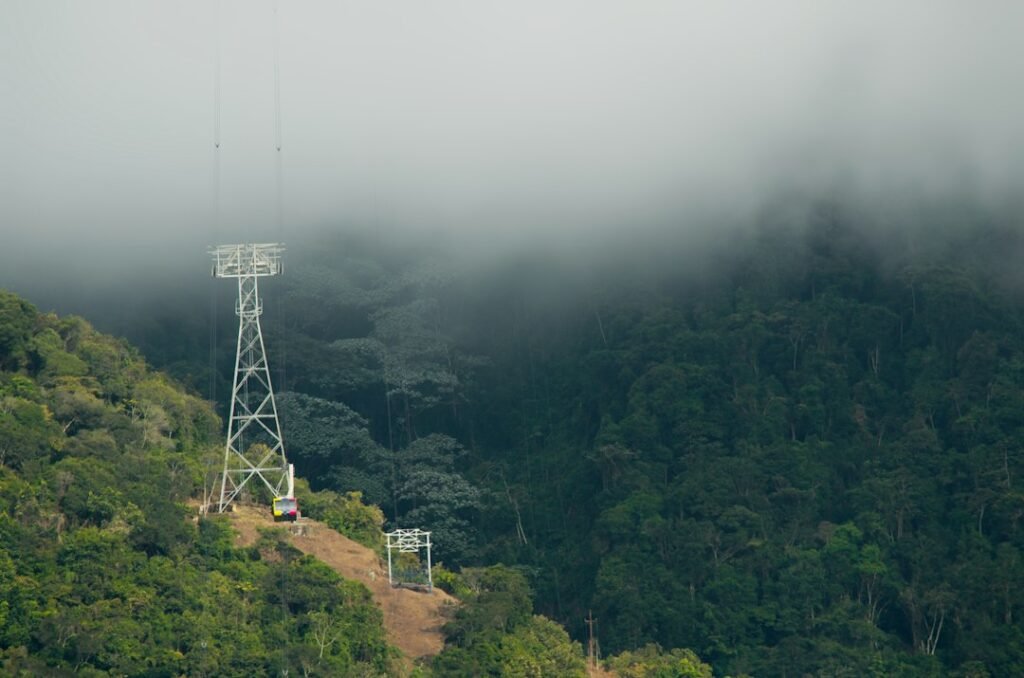
CARACAS, November 10, 2026 — Venezuela’s National Assembly approved a reform opening the electricity sector to private investment, according to reporting by Reuters and Brazilian newspaper Folha de S.Paulo. The vote marks a change in the country’s approach to a power system long dominated by the state. But legislative approval is not the same as restored electricity supply: investors still face questions about financing, payments, maintenance and implementation.
What the reform changes
The reform allows private-sector participation in electricity operations after almost two decades of state control. Reuters reports that private companies may participate in joint ventures with the government for terms of up to 25 years or work under contracts with state oil companies. The specific terms of any future investment agreements, and the timing of implementation, remain important uncertainties. The legislative decision should not be described as proof that contracts have already been signed or new capacity delivered.
Why the grid needs more than a new law
Venezuela’s electricity infrastructure has suffered from years of underinvestment and maintenance problems. Reuters reports that less than 40% of generation capacity is available, while outages can interrupt water supply, communications, farming and industry. That figure describes reported availability, not a measured prediction of how much new private investment will arrive.
Opening a sector to private operators can create incentives to repair equipment, improve reliability and invest in generation. But it does not remove the underlying commercial risks. Companies need enforceable contracts, reliable payment arrangements, access to equipment and confidence that operating rules will remain stable. Reuters notes that the government has not guaranteed payments to suppliers required for grid improvements.
What to watch next
The most meaningful indicators will be published implementation rules, actual investment commitments, repaired generating capacity and independently measured reductions in outages. Announced reforms are a first step; households and businesses will judge the policy by whether electricity becomes more dependable.
Sources: Reuters, November 10, 2026; Folha de S.Paulo, November 10, 2026. This analysis distinguishes the reported legislative vote from future operational outcomes.


About The Author





Leave a Reply