Poland Calls for Black Sea Grain Truce at G20 — But No Shipping Deal Has Been Reached
· News Team
October 31, 2026 — Poland has called for a rapid ceasefire in the Black Sea to protect commercial grain shipments from both Ukraine and Russia, putting food security back on the agenda as G20 foreign ministers meet amid deep divisions over the war. The appeal is a diplomatic proposal, not an announced ceasefire or an agreement guaranteeing safe passage.
What Poland proposed in Atlanta
Foreign Minister Radosław Sikorski made the appeal to reporters on October 30 during the G20 foreign ministers’ gathering in Atlanta. According to Reuters’ October 31 report, he argued that safe maritime access matters especially to countries dependent on imported food. He also said Ukraine must participate in any process to end Russia’s invasion, and that Europe has a role to play.
That distinction is crucial: a narrowly negotiated arrangement to reduce attacks on merchant shipping would address one urgent commercial risk, but it would not by itself resolve the wider war, establish a durable inspection mechanism, or settle disputes over sanctions and energy exports. Sikorski separately linked a return of Russian energy sales to Europe to a fair end to the conflict, Reuters reported.
Why the shipping corridor matters
The precedent is the United Nations- and Türkiye-brokered Black Sea Grain Initiative. During its operation from July 2022 to July 2023, it enabled the movement of approximately 32.9 million metric tons of food commodities from Ukrainian ports to 45 countries, according to the United Nations’ historical account. The World Food Programme also shipped wheat under that framework for humanitarian operations.
Those figures describe the former initiative; they are not estimates of cargo currently moving or a prediction of what a new agreement would deliver. The 2023 arrangement ended after Russia declined to renew it. Recreating safe passage now would require workable security commitments and operational coordination, not simply a political announcement.
Risks are real, but the response is unresolved
Commercial vessels face hazards ranging from attacks to mines and disputed responsibility for incidents. On October 28, Reuters reported that Türkiye had warned both Russia and Ukraine against attacks on commercial ships and was seeking responses to a proposal intended to safeguard shipping and grain exports. This shows regional diplomacy was already active before Poland’s latest intervention, but it does not establish that either side has accepted a ceasefire.
The broader G20 talks underscore the obstacle. Associated Press reporting on October 31 described ministers heading toward a chair’s statement rather than a joint declaration because of disagreements on major security issues. An agreement on Black Sea shipping would need commitments from the relevant parties, not merely consensus among outside ministers.
What to watch next
Three developments would make the proposal materially more consequential: an explicit response from Kyiv and Moscow; a defined mechanism for monitoring and protecting merchant vessels; and verifiable changes in port operations, insurance or ship movements. Until those appear, it would be premature to describe the appeal as a restored grain corridor.
Bottom line: Poland’s call highlights the link between war at sea and global food access. Its practical significance will depend on whether diplomatic pressure produces an enforceable, independently observable shipping arrangement.
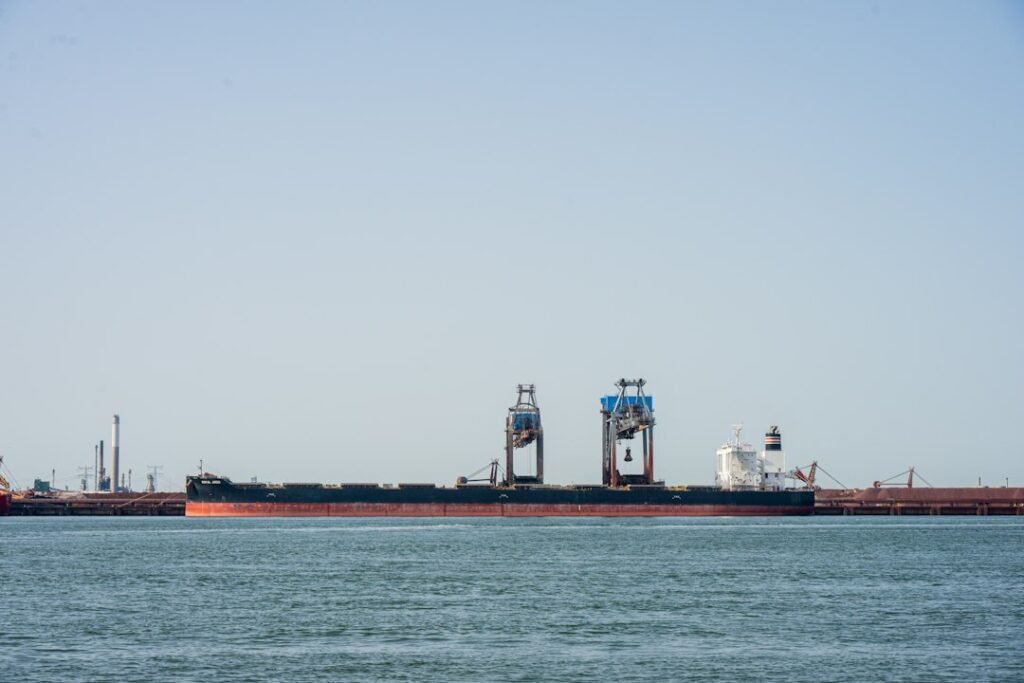
Featured image: Illustrative bulk carrier photograph by Julia Taubitz / Unsplash (Unsplash License). The image does not depict this diplomatic event.
Editorial note: This report reflects information available on October 31, 2026. The proposed truce had not been verified as agreed at publication time. No footage of a specific ship or negotiation is presented as evidence of this event.


About The Author





Leave a Reply