Rio Tinto Restarts Oyu Tolgoi Underground Mine After Rockfall — Two Workers Still in Treatment
· News Team
ULAANBAATAR / LONDON, October 30, 2026 — Mining group Rio Tinto says underground operations at Mongolia’s Oyu Tolgoi copper mine are being restarted in stages after a seismic event caused a localized rockfall on October 29. The company says safety reviews found no structural damage to the underground cave or operating infrastructure, but workers were injured and the full production impact is not yet clear.
What happened underground?
According to Rio Tinto’s initial account, seismic activity along a rock fault zone caused vibrations in the underground mine at approximately 6 p.m. local time on October 29. Three employees sustained injuries and no fatalities were reported. Underground activity was paused under the mine’s safety procedures.
In an October 30 update, Rio Tinto said inspections had identified a rockfall confined to a temporary storage zone near the production area. The company said underground operations were being progressively restarted after safety reviews, while two employees continued receiving treatment for injuries described as not life-threatening. These are the company’s reported findings; independent inspection results were not available in the cited releases.
Why the restart matters for copper supply
Oyu Tolgoi is one of the world’s major copper-and-gold developments. Rio Tinto holds a 66% interest, while Mongolia’s government owns the remainder. The underground mine is important to Rio Tinto’s longer-term copper expansion plans, making a prolonged interruption potentially significant for output.
But a phased restart is not the same as confirmation that every production area has returned to normal. The company has not established a final production-loss figure in the cited update. Any claim about the eventual effect on global copper prices would therefore be premature.
A second pressure point: exports to China
The mining incident coincides with a separate logistical challenge. Associated Press reported on October 29 that shipments of copper concentrate across the Mongolia–China border had slowed sharply, with truck convoys falling from around 12–13 daily to roughly four amid crossing restrictions and technical upgrades. That bottleneck concerns transport rather than the mine’s structural safety; the two issues should not be conflated.
For copper buyers, the immediate questions are how quickly the underground restart can proceed safely and how long border restrictions persist. For workers and local communities, the priority remains treatment, incident investigation and confirmation that operating conditions are safe. Further company and regulator updates will be needed before assessing lasting supply consequences.
Reporting cutoff: October 30, 2026, approximately 14:00 CET. Details may change as safety and production assessments continue.
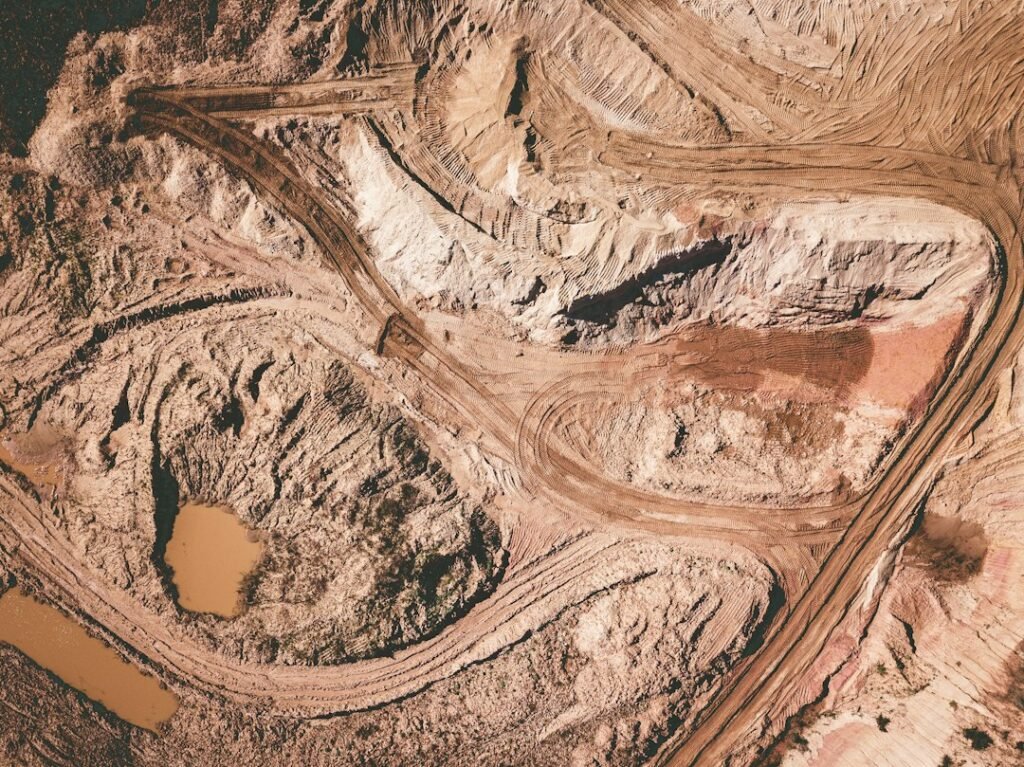
Featured image: generic quarry photograph for illustration only; it does not depict Oyu Tolgoi or the October 29 incident. Photo by Ivan Bandura / Unsplash.
Sources and further reading
- Rio Tinto — restart update (Oct. 30)
- Rio Tinto — initial incident statement (Oct. 30)
- Reuters — mine restart and export logistics (Oct. 30)
- Associated Press — border export restrictions (Oct. 29)


About The Author





Leave a Reply