Thousands Rally in Delhi Over India’s Voter Rolls; Election Commission Rejects Bias Claims
· News Team
UPDATE — November 1, 2026: Thousands of opposition supporters gathered in New Delhi on Sunday to demand the resignation of Chief Election Commissioner Gyanesh Kumar over the revision of India’s electoral rolls. Reuters reported the demonstration, while Associated Press photographs and reporting documented the November 1 protest. This updates the earlier pre-rally account below; an independently verified final crowd count has not been established here.
Protesters allege exclusion; authorities dispute political bias
Congress leader Rahul Gandhi and allied opposition parties argue that the electoral-roll revision has disenfranchised legitimate voters, with particular concern for minorities and poorer communities. The Election Commission says it is removing duplicate and ineligible entries, denies partisan bias and says eligible voters wrongly excluded can seek reinstatement. The BJP disputes the opposition’s characterization. These are competing claims; neither the demonstration nor the large reported number of deleted records proves that every deletion was improper.
Reuters reported that more than 130 million names were removed during the revision. That total includes categories such as deaths, relocations and records authorities could not verify; it must not be described as 130 million proven cases of disenfranchisement. The key accountability questions are how many eligible people were excluded by mistake, whether appeals work in practice and whether independent scrutiny of the revision is possible. The protest raises pressure for answers but does not itself establish wrongdoing or change the electoral rolls.
November 1 verification: Reuters; Associated Press.
Earlier reporting — before the rally
NEW DELHI, November 1, 2026 — India’s opposition is gathering in the capital for a major demonstration over the removal of names from electoral rolls, turning a technical dispute about voter registration into a wider confrontation over trust in the country’s election system. Police have deployed extensive security around Ramlila Maidan, and traffic restrictions are affecting central Delhi. Supporters began gathering on Sunday ahead of the planned march and rally; independently verified final attendance figures are not yet available.
Why the rally matters
The Congress-led INDIA opposition alliance is demanding the resignation of Chief Election Commissioner Gyanesh Kumar and changes to the Special Intensive Revision (SIR) of electoral rolls. Opposition parties argue that eligible voters have been excluded and that the process may disproportionately affect minority and disadvantaged communities. The Election Commission and Prime Minister Narendra Modi’s Bharatiya Janata Party reject allegations of political bias and say roll verification is needed to remove ineligible or duplicate entries. No independent finding establishing political manipulation has been cited in the available reporting.
Reuters reported on November 1 that the revision had removed more than 130 million names, including records of people who had died, moved or could not be located. That aggregate does not establish that 130 million eligible voters were wrongly removed. The central question is how many living, eligible citizens were incorrectly excluded and how reliably they can appeal and regain registration.
Security, turnout claims and practical disruption
Delhi Police previously gave conditional permission for the gathering at Ramlila Maidan. The Indian Express documented that approval, while India Today reported plans for a march and major traffic diversions. Organizers have spoken of crowds reaching hundreds of thousands or more; police estimates are substantially lower. These are forecasts and claims, not measured attendance.
The restrictions matter beyond politics. Access to commercial districts, transport corridors and markets may be disrupted during a busy shopping period. Traders have warned of potential economic losses, but their projections are not verified realized losses. People travelling through central Delhi should follow current local traffic advisories rather than rely on earlier route plans.
What happens next
A large rally can increase political pressure, but it does not itself overturn electoral-roll decisions or remove the election commissioner. The more consequential tests are whether excluded eligible voters can successfully restore their names, whether authorities publish auditable explanations for deletions, and whether courts or the election administration order procedural changes. Those outcomes remain open.
Video: NDTV’s November 1 report on security arrangements and the planned rally is available on the publisher’s site. It is linked rather than rehosted or embedded because third-party embedding rights were not independently verified.
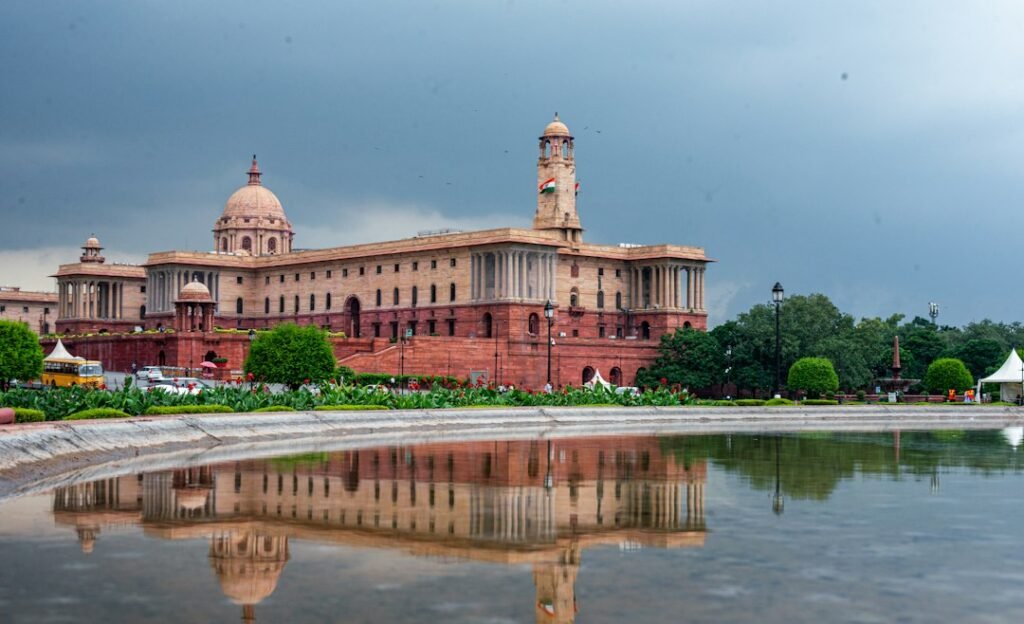
Editorial image: New Delhi Secretariat Building, an illustrative city view, not footage of the November 1 rally. Photograph by Zoshua Colah / Unsplash.
Reporting sources: Reuters, Nov. 1; The Indian Express, Oct. 17; India Today video, Nov. 1; NDTV video, Nov. 1.


About The Author





Leave a Reply