China Extends Rare-Earth Export-Control Pause — But Key Licensing Rules Still Apply
· News Team
China has extended a pause on six sets of export restrictions through January 10, 2027, offering manufacturers a temporary reprieve without removing all licensing requirements for critical minerals.
The November 9 decision by China’s Ministry of Commerce and customs authorities keeps measures introduced in October 2025 suspended from November 11 through January 10. Those measures cover certain rare-earth materials and processing technologies, lithium-battery and graphite-anode materials, and superhard industrial products. The extension aligns with a broader two-month easing of trade measures between Beijing and Washington.
What has changed — and what has not
The distinction matters for procurement teams. The new notice covers six specific October 2025 announcements; it does not cancel the separate April 2025 export-licensing regime for specified medium and heavy rare earths. A buyer should therefore not interpret the extension as permission to import every controlled magnet, mineral or technology without a license.
Reuters reported on November 9 that the pause forms part of a wider suspension of Chinese trade countermeasures. Beijing also extended certain tariff and entity-related suspensions. These are time-limited measures, not a comprehensive settlement of the underlying trade disputes.
Why supply chains remain exposed
Rare-earth processing and high-performance magnets are strategically important for electric vehicles, industrial equipment and defense applications. A pause in additional controls can reduce near-term regulatory uncertainty, but it does not create new processing capacity outside China or guarantee that every shipment clears existing licensing rules.
For manufacturers, the practical response is to map products against the precise announcements, check licensing obligations with qualified trade advisers, and maintain contingency plans before the January deadline. For policymakers, the extension buys negotiating time while leaving the longer-term concentration of processing capacity unresolved.
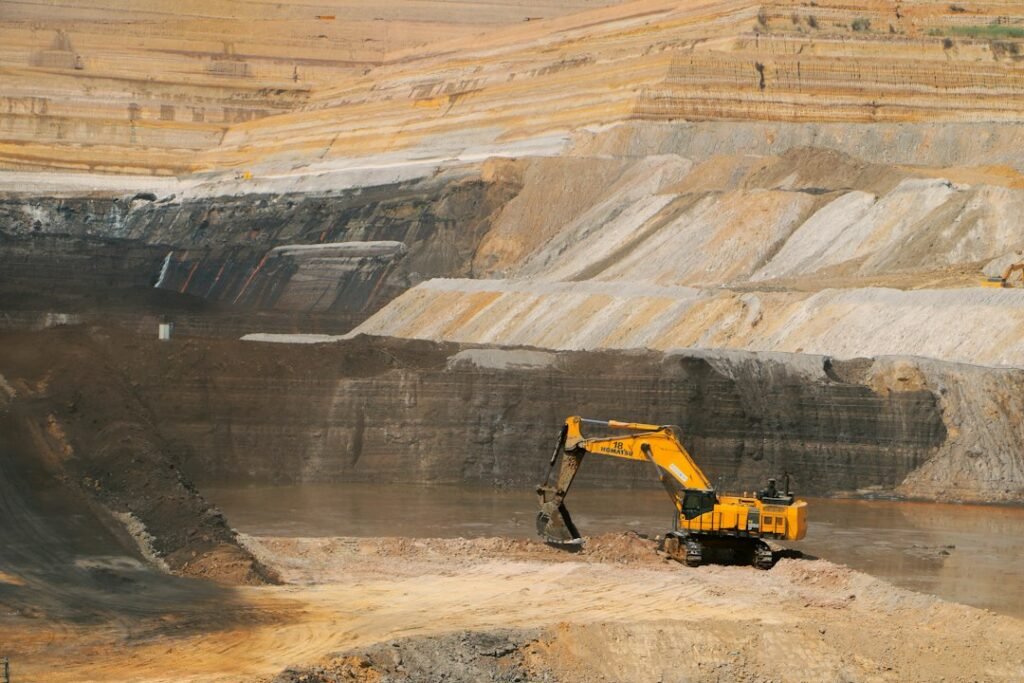
Editorial note: The accompanying mining photograph, if displayed, is a general illustration and does not depict a Chinese rare-earth facility or this announcement.
Sources
Reuters, November 9, 2026; Reuters on the wider trade-truce extension; Detailed notice summary identifying Announcement No. 58 of 2026.


About The Author





Leave a Reply