FDA Orders Rare Vision-Loss Warning for GLP-1 Drugs: What the Evidence Actually Shows
· News Team
November 9, 2026 — The U.S. Food and Drug Administration is requiring new warnings on the labels of GLP-1 medicines, including Ozempic, Wegovy, Mounjaro and Zepbound, about a potential increased risk of a rare optic-nerve condition that can cause sudden vision loss. The decision covers the drug class, not just one manufacturer, and does not mean that every patient faces a high risk.
What the FDA found
The condition, non-arteritic anterior ischemic optic neuropathy (NAION), involves reduced blood flow to the optic nerve. Symptoms can include sudden, painless loss of sight in one eye, blind spots or changes in color perception. In an analysis of 126 randomized clinical trials, the FDA identified an incidence of 6.4 NAION cases per 100,000 person-years among GLP-1 recipients, compared with 3.8 among people receiving a comparator. These are uncommon events, and the rates are not a prediction of any individual patient’s risk.
The FDA also examined insurance-based observational evidence. Its comparison with SGLT-2 inhibitors did not find a statistically significant increase, while its comparison with DPP-4 inhibitors did. That difference matters: the evidence supports a potential association, but does not settle the biological mechanism or prove that a particular medicine caused an individual case.
What changes for patients
The agency is directing manufacturers to include the potential risk in the Warnings and Precautions section. It advises anyone experiencing sudden, painless vision changes to contact a healthcare professional immediately. Patients who have already experienced NAION should discuss continued treatment with their clinician; they should not interpret the announcement as an instruction to stop prescribed medication on their own.
The drugs also have established benefits for eligible patients with diabetes, obesity and certain related conditions. The practical question is how clinicians weigh a rare possible adverse event against those benefits, particularly for people with other risk factors for optic-nerve disease.
Why the evidence needs careful reading
Diabetes, hypertension and sleep apnea can themselves be associated with NAION and are common in populations prescribed GLP-1 medicines. The FDA says its animal-data review did not identify a mechanism explaining the potential link. A label warning communicates a safety signal requiring attention; it is not a finding that blindness is common or inevitable.
Sources: FDA Drug Safety Communication, November 9, 2026; Associated Press, November 9, 2026; Reuters, November 9, 2026.
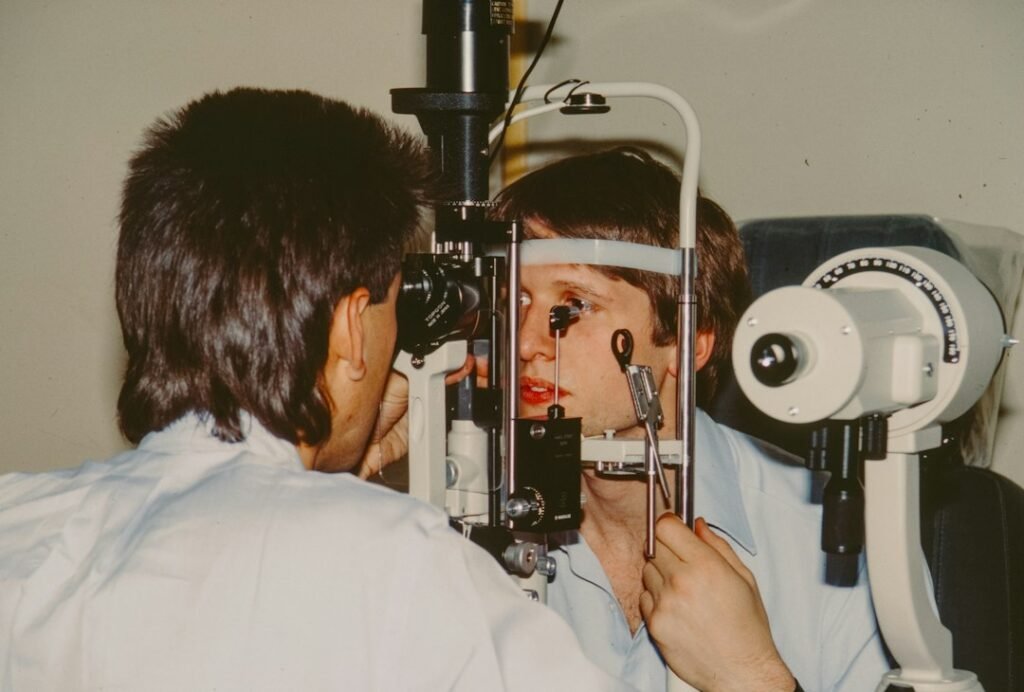
Featured photograph is illustrative and does not depict a person with NAION.


About The Author





Leave a Reply