Siemens Energy’s Record Year: How AI Power Demand Is Reshaping the Grid Business
· News Team
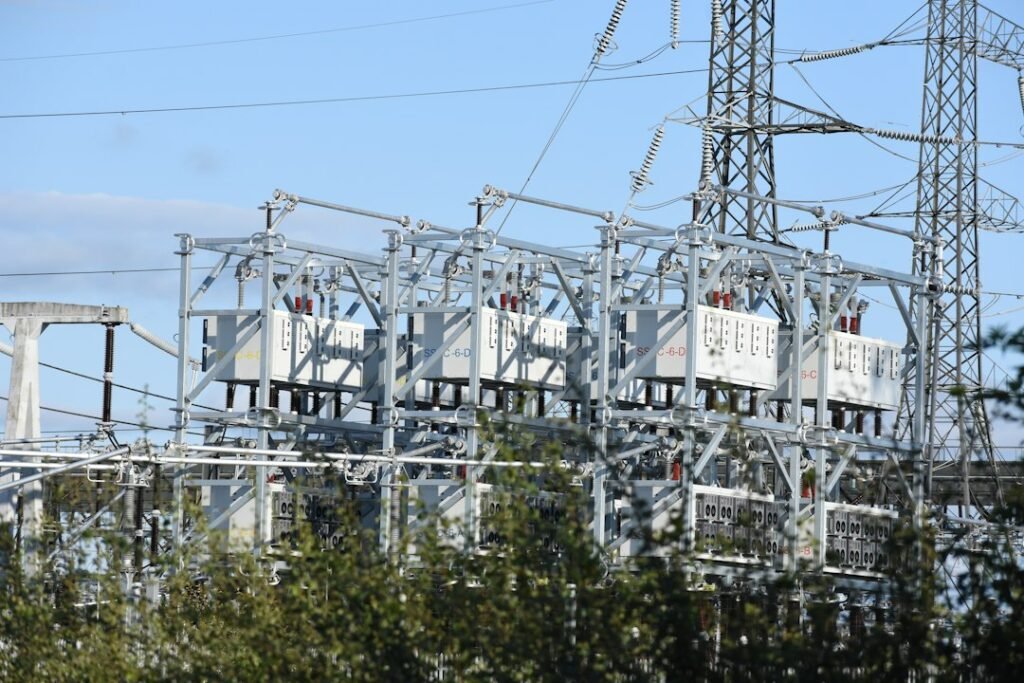
November 11, 2026. Siemens Energy says fiscal 2026 delivered record results and is targeting substantially higher profitability by 2030. The headline is about more than a successful year for a German industrial company: it shows how the scramble to power data centres is intersecting with an older challenge—modernising electricity grids.
What the company actually reported
For the fiscal year ended September 30, Siemens Energy reported comparable revenue growth of 15.5% and a profit margin before special items of 12.4%. Its pre-tax free cash flow reached €8.8 billion. The company proposes a €2.30-per-share dividend, up from €0.70 for the previous year, and plans an additional share-repurchase programme of up to €9 billion through fiscal 2030. These are reported results and proposals, not guaranteed future payments.
Siemens Energy is targeting annual comparable revenue growth of 12–14% and a margin before special items of 20–22% by 2030. Its 2027 margin forecast is 14–16%. The distinction matters: a long-range target is management’s ambition, not a realised return.
Why AI demand matters—and what could go wrong
Gas turbines and grid equipment help supply and transmit power for data centres, factories and households. Reuters reports that data-centre-related orders account for approximately €15 billion of Siemens Energy’s €164 billion order backlog. That is a significant business opportunity, but a backlog is not cash already collected, and delivery schedules, customer financing and grid permits can change.
AI infrastructure developers face substantial power needs. If some projects are delayed or cancelled, demand expectations could moderate. Conversely, grid upgrades and replacement equipment serve a much broader electricity market. That diversification is important when assessing whether today’s demand surge is durable.
The wind-business turnaround is a separate test
Siemens Gamesa reached break-even on the company’s measure of profit before special items after years of restructuring. That milestone does not establish that the wind division will sustain profitability in every quarter. Product reliability, manufacturing execution and project economics remain material risks.
What to watch next
The most useful indicators are realised margins, cash conversion, order execution and whether demand for grid and turbine equipment persists beyond the current wave of data-centre commitments. Investors should also distinguish the proposed dividend and buyback authorisation from completed distributions.
Sources: Siemens Energy, Q4 FY2026 earnings release, November 11, 2026; Reuters, November 11, 2026. Figures and outlook are attributed to the company unless independently stated otherwise.


About The Author





Leave a Reply