Europe’s Chipmakers See a Physical-AI Opening—But Robots Still Have to Prove Their Value
· News Team
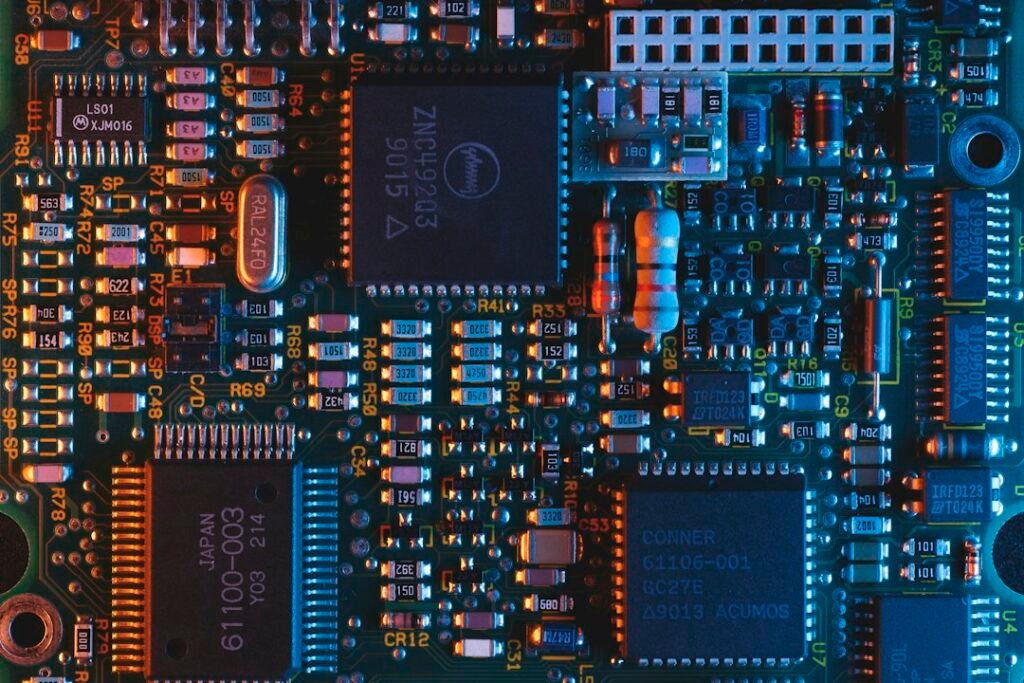
Europe’s semiconductor industry is making a case for its place in the next phase of artificial intelligence: machines that perceive and act in the physical world. At the electronica trade fair opening in Munich on November 10, chipmakers are emphasizing robotics, industrial control and the hardware that allows AI-driven systems to operate reliably outside data centers.
Why “physical AI” changes the chip debate
In a November 10 Reuters report, leaders of Infineon, STMicroelectronics and NXP argued that Europe’s industrial and automotive engineering base could become an advantage as AI spreads into robots and machinery. Unlike a chatbot, a moving robot must combine sensing, processing, motor control, power management and safety constraints in real time. Mistakes can damage equipment or injure people, making reliability as important as raw computing speed.
Infineon’s October 14 event announcement says its Munich demonstrations, scheduled for November 10–13, include a robotics shop-floor use case and technologies for dexterous robotic hands. These are demonstrations and product capabilities, not proof that humanoid robots have reached mass commercial deployment.
Europe’s opportunity—and the test ahead
European suppliers have long made power semiconductors, sensors, microcontrollers and automotive electronics. Those components are essential to machines that need to detect their surroundings and respond precisely. This offers a different competitive route from trying to replicate the largest AI data-center accelerators.
But a promising hardware position does not guarantee a profitable robotics boom. Manufacturers still need to show that machines work safely in unpredictable environments, can be maintained economically and solve tasks better than existing automation. Buyers will also weigh cybersecurity, energy consumption and integration costs.
For investors and industrial customers, the practical questions are how much demand moves from pilots to production orders, whether European suppliers win repeat contracts, and whether safety and efficiency gains can be independently measured. Until then, “physical AI” is a strategic opportunity rather than a confirmed new growth engine.
Sources and reporting note
Reuters, November 10, 2026; Infineon press release, October 14, 2026; electronica conference programme. Product demonstrations and executives’ expectations are attributed to their respective sources; no independent mass-deployment claim is made.


About The Author





Leave a Reply