Senate Energy Deal Puts Data-Center Power Bills and Environmental Safeguards on a Collision Course
· News Team
WASHINGTON, November 9, 2026 — A bipartisan Senate proposal to speed up American energy and infrastructure construction is approaching a consequential procedural test. Its central trade-off is unusually direct: shorten the time needed to build power lines, energy facilities and other projects, while deciding how much environmental review and judicial oversight should remain.
What has changed
On November 7, senators Mike Lee, Shelley Moore Capito, Martin Heinrich and Sheldon Whitehouse released a revised version of the Bipartisan American Affordability and Jobs Act of 2026. The sponsors describe the substitute amendment as incorporating feedback on tribal consultation, transmission planning and other provisions. As of this report, the legislation is a proposal, not enacted law; a procedural vote should not be described as final passage.
Reporting on November 9 from the Associated Press and Reuters describes a close political contest over whether the compromise can advance during the post-election congressional session. Its sponsors span both parties, but support for faster permitting does not necessarily translate into agreement over the environmental and legal protections that should apply.
Why data centers are central to the debate
The proposal would make large data centers responsible for associated electricity-transmission costs, according to the Senate sponsors. That matters because the infrastructure serving one large electricity customer can impose costs on the wider grid. The policy question is not simply whether America can build more capacity, but who pays for upgrades and whether households are protected from cost shifts. The precise consumer impact would depend on final statutory language, implementation and utility regulation.
The opposing arguments
Supporters argue that permitting delays make electricity and infrastructure more expensive and discourage investment in both conventional and clean energy. Critics warn that tighter deadlines and limits on legal challenges could weaken environmental protections and tribal rights. The latest revisions are intended to address some objections, but they have not ended opposition. Faster approval also does not guarantee that new projects will be completed on schedule: financing, equipment, labor and local conditions remain independent constraints.
What happens next
Watch whether the Senate advances the measure, what amendments survive and whether the House can agree on a final version. Until both chambers pass identical legislation and it is signed, its proposed requirements are not binding law. A decisive vote would be important political news, but not proof that grid congestion or household energy bills will improve immediately.
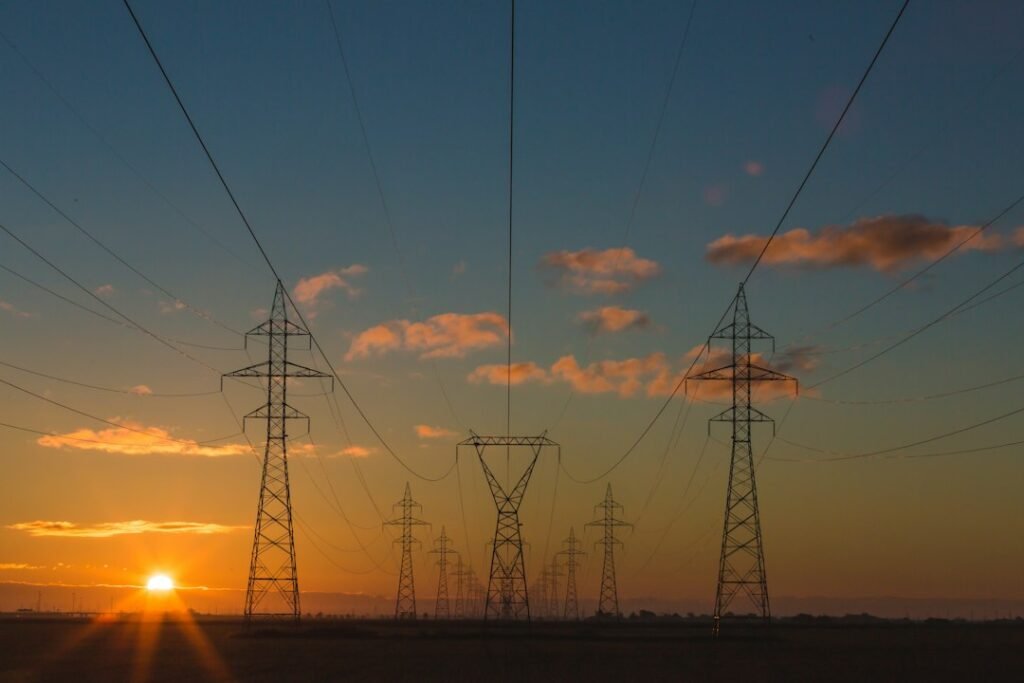
Featured image: Illustrative electricity transmission infrastructure photograph by Matthew Henry / Unsplash. The image does not depict a specific project or Senate proceeding.
Sources
U.S. Senate Energy and Natural Resources Committee, November 7, 2026; Senate Democratic committee statement, November 7; Associated Press, November 9; Reuters, November 9.


About The Author





Leave a Reply