Europe’s Supermarket Freezers Hit by Suspected Cyberattacks — Why Food Safety Is at Risk
· News Team
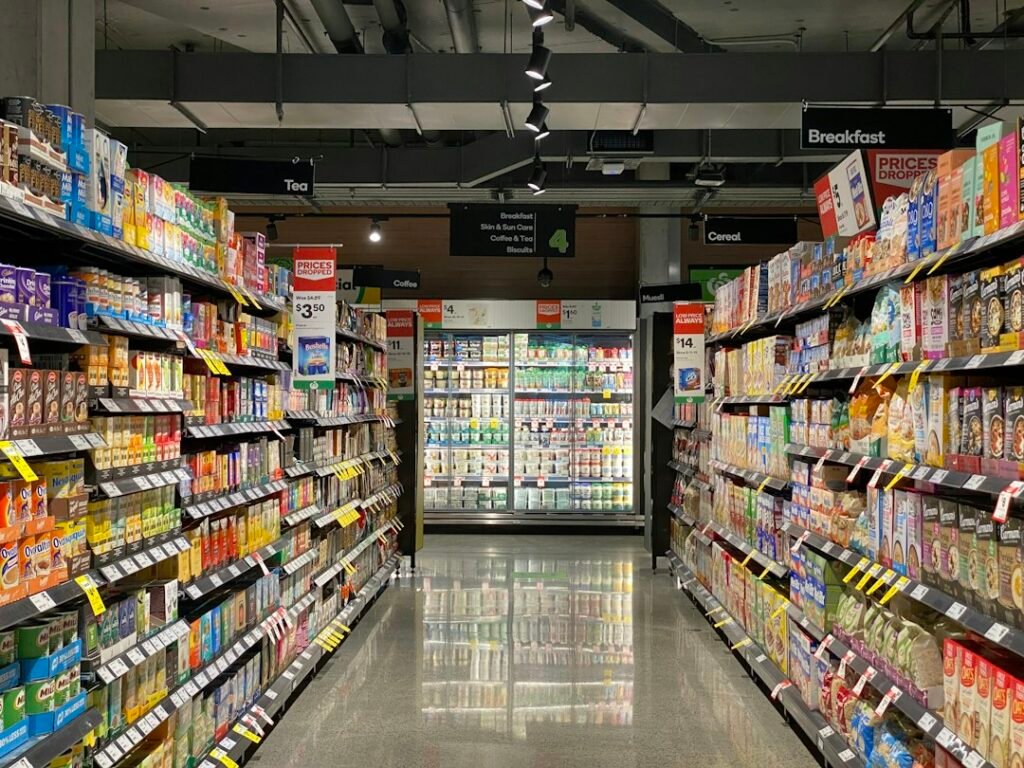
Published November 2, 2026. Refrigeration systems at supermarkets in several European countries were disrupted on Monday, leaving some shops discarding chilled or frozen food and prompting fresh questions about the security of internet-connected equipment. Retailers and authorities are investigating apparent cyber intrusions, but the perpetrators and any connection to October’s attacks in France have not been established.
The disruption is unusual because it targeted equipment most shoppers never notice. A compromised cooling controller can turn a cyber incident into an immediate physical problem: food may no longer be safe to sell, staff must inspect inventory and businesses can lose a day’s trade even when their checkout systems are still working.
What stores have confirmed
Reuters reported temperature problems involving retailers in Belgium, Luxembourg and Sweden, with further incidents reported elsewhere in Europe. Belgium’s Carrefour said 15 of its stores were affected, while Sweden’s ICA and Coop reported problems at a limited number of outlets. Some equipment was reportedly set to temperatures around 50°C, far above safe refrigeration conditions. These are reports about particular affected stores, not evidence that every branch of a named chain was compromised.
Associated Press reported that Ireland’s Musgrave Group had problems in refrigeration systems at 13 SuperValu stores, leading to precautionary product removals. The company said the issue was resolved and restocking was under way by Monday afternoon. Delhaize said distribution centres and deliveries remained operational, underscoring how effects varied across retailers.
Why the cooling systems matter
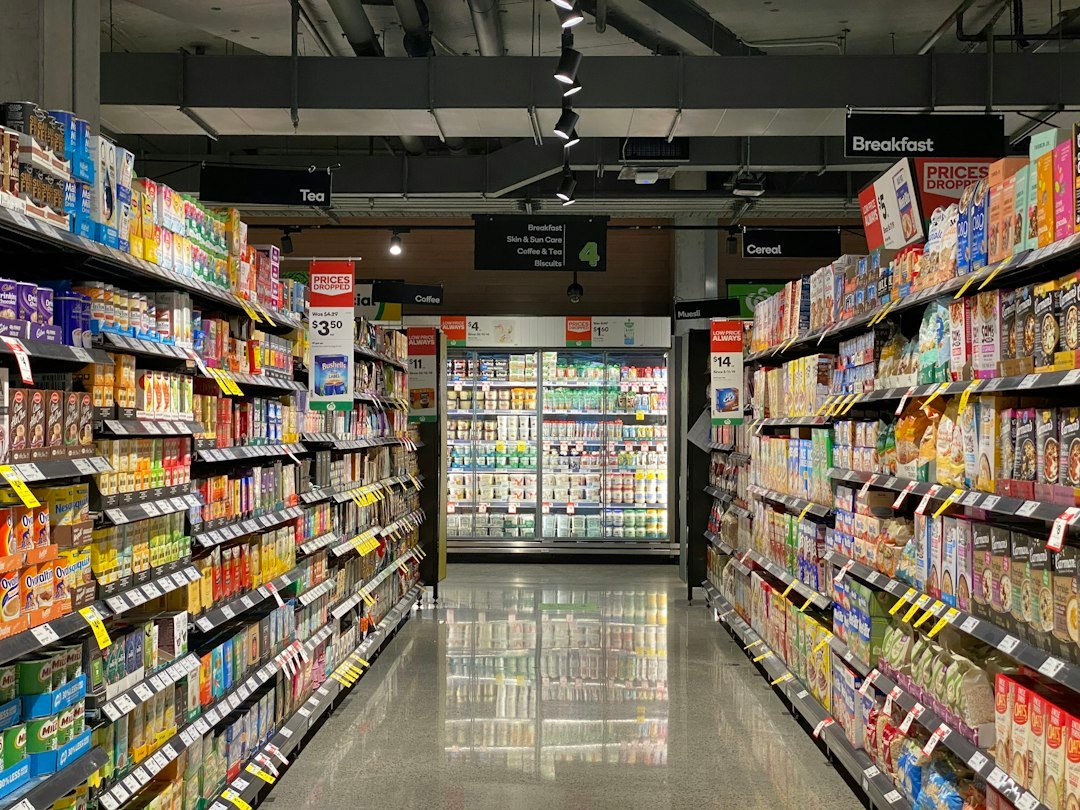
Modern supermarket refrigeration can be monitored remotely, allowing contractors to adjust settings and spot equipment faults. But internet-facing control panels, unsupported hardware or outdated software can also expand the opportunities for intrusion. A similar wave in France in October affected hundreds of supermarkets. French authorities identified compromised refrigeration-control systems from multiple suppliers, although that does not prove the same method or actor caused Monday’s incidents.
Danish refrigeration supplier Danfoss said it was assisting affected customers. Previous warnings from cybersecurity researchers and European authorities had already highlighted the risks of exposing industrial controllers directly to the public internet. Operators can reduce risk through supported updates, protected remote access and careful review of their installations, but investigators still need to establish how each latest incident occurred.
What remains unknown
No responsible group has been identified. Reports of simultaneous problems across borders warrant scrutiny, but timing alone cannot prove a coordinated campaign. Neither can the existence of a vulnerable product prove that every affected shop was compromised through the same weakness.
For shoppers, the practical issue is food safety and accurate information from individual retailers. For store operators, the broader lesson is that cybersecurity now reaches into the cold chain: the temperature of a freezer can be as important as the security of a payment terminal.
Sources and reporting
Reuters, November 2: European refrigeration incidents and retailer statements; Associated Press, November 2: affected supermarkets and differing recovery status; The Guardian, November 2: regional reporting and October context; Reuters, October 13: earlier French investigation.


About The Author





Leave a Reply