Samsung’s KRW 107.4 Trillion Q3 Profit Sets a Record — Why Shares Still Fell
· News Team
October 29, 2026 — Samsung Electronics has reported an extraordinary third quarter: KRW 195.3 trillion in revenue and KRW 107.4 trillion in operating profit. The headline number is striking, but the more revealing detail is where the money came from—and why investors did not celebrate it.
Almost all the operating profit came from chips
Samsung’s official earnings release shows its Device Solutions semiconductor division generated KRW 106.5 trillion of operating profit on KRW 147.1 trillion of sales. That is roughly 99% of the group’s operating profit. The company’s memory operation benefited from high demand for AI-server components, including high-bandwidth memory, conventional server DRAM and storage.
By contrast, the broader Device eXperience division reported a KRW 0.8 trillion operating loss. The mobile business is facing higher component costs, while the foundry operation remains under pressure. This is not a uniform recovery across Samsung’s businesses: it is a chip-led surge large enough to overwhelm weaker segments.
Why the share price fell despite record earnings
Samsung’s shares fell as much as 6.2% during Thursday’s trading, according to Reuters’ October 29 reporting. Investors had already seen a preliminary profit forecast earlier in the month. They were looking for stronger guidance on the durability of the memory shortage and more detail on shareholder returns.
Samsung said its high-bandwidth memory supply is sold out for next year and expects AI-related demand to exceed supply in 2027. But rival SK Hynix presented a longer shortage horizon, while Samsung deferred its next shareholder-return policy until January. A record quarter, in other words, did not resolve the market’s questions about the next several years.
What the numbers say about the AI infrastructure cycle
AI systems need both processors and fast memory. If demand for data-center memory continues to grow faster than factories can expand capacity, chip suppliers can enjoy unusually strong pricing and margins. But such margins are also an incentive to invest aggressively in new supply. Samsung is increasing capital spending while seeking longer-term customer contracts to smooth that cycle.
The critical distinction is between reported results and forecasts. The KRW 107.4 trillion profit is a completed-quarter figure. Predictions of continued shortages, higher investment and future demand are management expectations, not guaranteed outcomes. A slowdown in AI infrastructure financing, more competition or a faster supply response could change the picture.
Three signals to watch next
Investors should track whether memory supply agreements extend beyond the biggest AI buyers, whether the foundry and mobile divisions return to sustained profitability, and what Samsung announces in January about capital returns. Those measures will help determine whether this quarter marks a durable earnings base or an exceptional point in the semiconductor cycle.
Sources and verification: Samsung Electronics, Q3 2026 results (Oct. 29); Reuters, market reaction and guidance (Oct. 29); Associated Press, chip-demand context (Oct. 29).
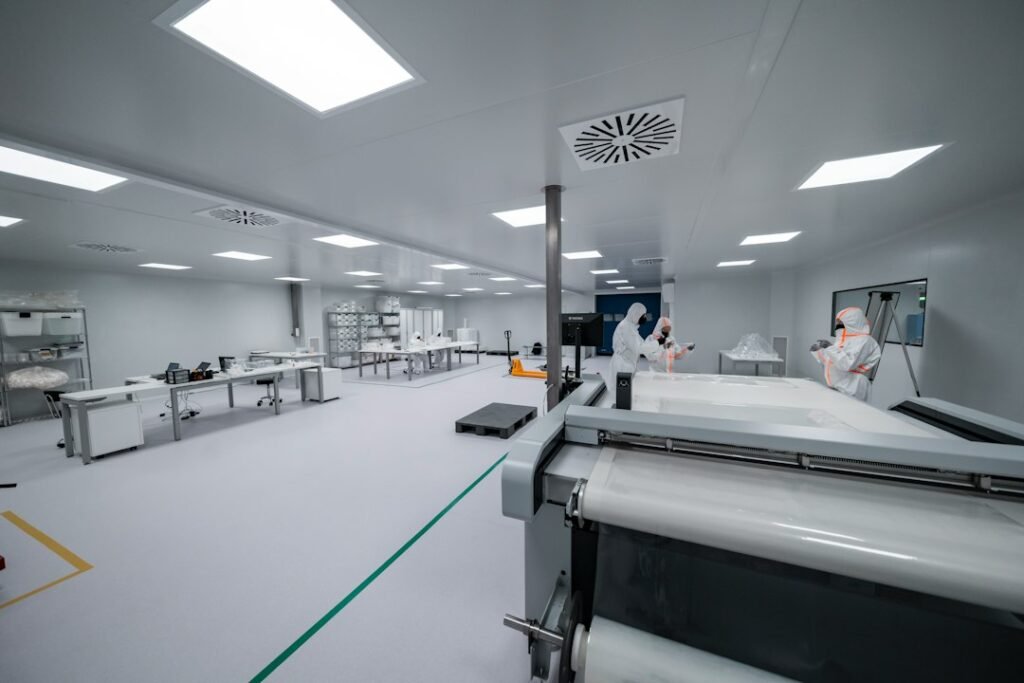
Featured image: illustrative cleanroom photo by TECNIC Bioprocess Solutions via Unsplash; not a Samsung facility or photograph of the reported quarter.


About The Author





Leave a Reply