Russia–Africa Summit Draws 48 Delegations: What the $27B Trade Claim and Ghana Deal Really Mean
· News Team
October 29, 2026 — Moscow. Russia’s two-day summit with African governments ended with ambitious promises on trade, investment and diplomacy, but the clearest test of those promises will be whether projects move beyond agreements and political speeches. Delegations from 48 African countries attended, with roughly 20 heads of state or government taking part, according to Reuters and Associated Press reporting.
The summit’s headline numbers need context
President Vladimir Putin said trade between Russia and African countries exceeded $27 billion last year and pointed to grain shipments, fertilizer exports, industrial projects and military cooperation. That trade figure is a statement by the Russian government, not an independently verified measure of new deals concluded at the summit. Likewise, reported deliveries of more than 18 million metric tons of Russian grain to African markets last year describe shipments, not the amount of food reaching vulnerable households or the terms on which it was sold.
Putin presented Moscow as an alternative to Western partnerships and promised investment and technology transfer. Critics of Russia’s role in the region have raised concerns about the influence of Russian security contractors and ties to military-led governments. African governments, meanwhile, have their own varied priorities: energy access, industrial jobs, financing, security and greater diplomatic leverage. Treating the continent as a single negotiating bloc would miss those differences.
A Ghana aluminum deal provides a more measurable test
One tangible announcement came from Russian aluminum producer Rusal and Ghana’s state-owned Ghana Integrated Aluminium Development Corporation (GIADEC). They agreed to establish joint ventures for bauxite mining and alumina refining tied to the Nyinahin deposit, according to Reuters on October 29. The proposed projects have planned capacity of up to five million tons of bauxite and 1.2 million tons of alumina annually. These are development targets, not production already achieved.
The distinction matters for Ghana. Processing bauxite domestically could retain more value locally than exporting raw ore, but the eventual benefits depend on financing, infrastructure, environmental oversight, local employment and how the ventures divide profits. A signed agreement is a starting point; operating facilities and publicly documented outcomes are the meaningful milestones.
African representation at the UN is a separate diplomatic question
Kenyan President William Ruto called for permanent African representation on the United Nations Security Council. Putin backed the argument that the current arrangement is unfair, the AP reported. Support at a summit, however, does not itself change the Council’s membership: formal reform requires an exceptionally difficult process involving the wider UN membership and existing permanent members.
That debate gives African leaders bargaining power beyond bilateral commercial agreements. But the region’s governments do not share identical foreign-policy positions, and closer engagement with Moscow does not necessarily mean abandoning relations with the United States, European Union or China.
What to watch after October 29
The immediate indicators are the publication of binding investment terms, project financing and timelines; independent reporting on local employment and environmental safeguards; evidence of actual grain and fertilizer deliveries; and any concrete proposal for Security Council reform. Without those measures, large summit attendance and ambitious speeches remain evidence of diplomatic outreach, not proof of economic transformation.
Sources and further reading: Reuters, October 28 — summit coverage; Associated Press, October 29 — leaders, trade and UN reform; Reuters, October 29 — Ghana–Rusal joint ventures.
Related video: Reuters footage of the October 29 summit (external video link; no footage downloaded or rehosted).
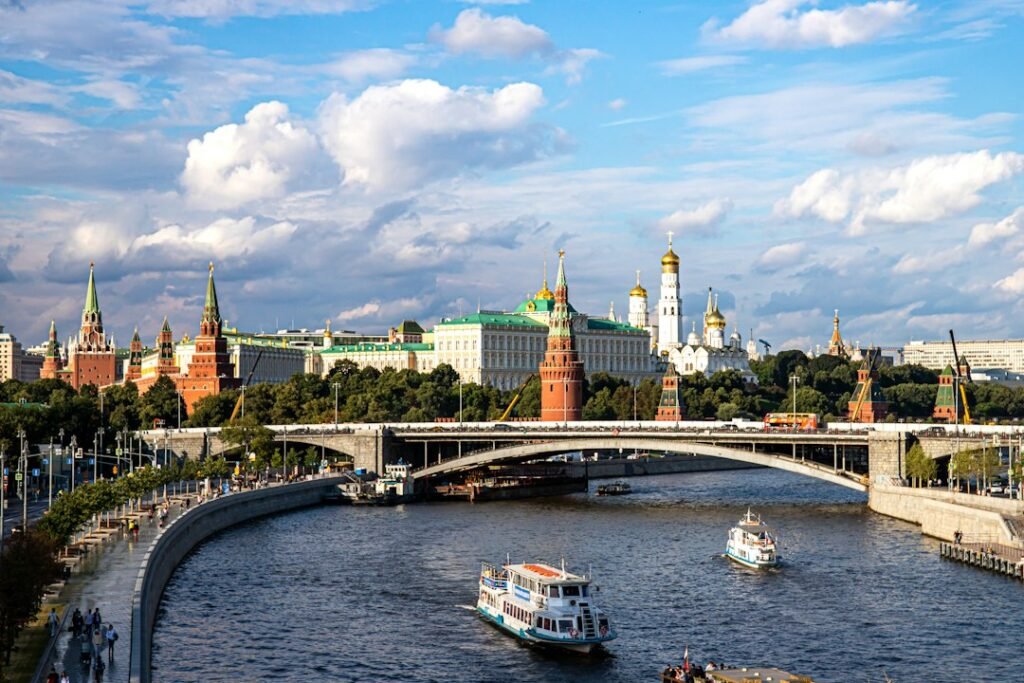
Featured image: illustrative Moscow city view, not the summit. Photograph by Viktor SOLOMONIK / Unsplash.


About The Author





Leave a Reply