Japan’s $11.6 Billion Chip-Materials Deal: Why Mitsui Wants JSR—and What Could Go Wrong
· News Team
November 9, 2026. Japan’s Mitsui Chemicals has agreed to acquire semiconductor-materials specialist JSR in a transaction valued at approximately ¥1.84 trillion ($11.6 billion), a major bet on the materials needed to manufacture advanced chips. The agreement is signed, but the acquisition has not yet closed and remains subject to regulatory approvals and other conditions.
Why a chemicals deal matters to the chip industry
Semiconductor manufacturing depends on much more than chip designers and fabrication equipment. Highly specialized photoresists and other materials help define the tiny patterns used to build integrated circuits. JSR says advanced semiconductor materials are central to its digital-solutions business. Mitsui argues that combining the companies’ products, research capabilities and customer relationships could strengthen development and global supply.
The planned ownership structure is unusual: according to JSR’s November 9 notice, Mitsui and the Development Bank of Japan would acquire the shares held by a JIC Capital-managed fund. The bank’s holding would subsequently be converted into non-voting preferred shares, leaving Mitsui with all voting rights. That structure does not mean the transaction has already been completed.
The financial trade-off
Reuters reports that Mitsui plans substantial bridge financing and other funding to complete the deal. Investors have reason to scrutinize whether promised synergies can justify the debt burden and execution risk. Reuters reported an 8.5% decline in Mitsui shares following the announcement, reflecting market skepticism rather than proof that the strategy will fail.
The strategic logic is clearer than the eventual return: chip-materials innovation is demanding, and combining complementary portfolios could improve research scale and customer reach. Yet integration, financing costs, regulatory conditions and the pace of semiconductor demand will determine whether that opportunity translates into earnings. Mitsui’s reported ambition for additional annual profit is a management target, not a guaranteed result.
What happens next
JSR explicitly warns that required approvals and other closing conditions could delay or prevent the transfer. The important milestones are financing terms, regulatory clearance, integration plans and evidence that the combined materials businesses can deliver measurable growth. Until then, this is an announced acquisition agreement—not a completed takeover.
Sources
JSR: November 9 shareholder-change announcement (Japanese); Mitsui Chemicals: November 9 acquisition disclosures and presentation; Reuters: transaction terms and market reaction.
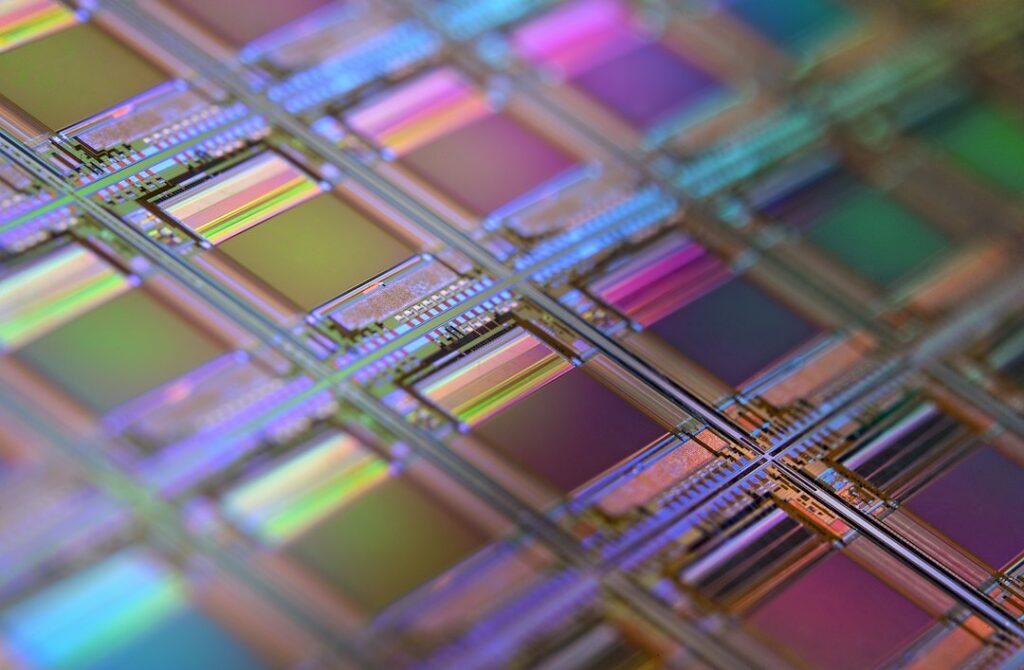
Featured photograph, if displayed, is an illustrative semiconductor wafer image and does not depict the companies or the acquisition.


About The Author





Leave a Reply