Iran’s Two-Day Hormuz Offer Is Not a Deal: What Must Happen Before Ships Return
· News Team
Updated November 2, 2026. Iran says a proposal to reopen the Strait of Hormuz and begin a wider diplomatic process could be implemented within two days. But the shorter timetable is conditional on U.S. concessions, not evidence that shipping has resumed or that a peace agreement has been reached.
After several days of indirect discussions in Doha, Iranian negotiators left Qatar on Sunday. Tehran said contacts through mediators were continuing, while Reuters reported on November 2 that the talks had ended without a breakthrough. A draft proposal was circulating, according to an official briefed on the discussions. That distinction matters: a circulating draft is not an accepted agreement.
What changed in Iran’s proposal?
The important change is speed, not necessarily substance. Iranian Foreign Ministry spokesperson Esmaeil Baghaei said the country’s earlier seven-step plan had been compressed into a sequence that could be carried out in two days. Iran still wants Washington to end its blockade of Iranian ports, permit Iranian oil sales and reverse new sanctions before negotiations advance to other questions. Baghaei said Tehran would consider renewed nuclear discussions only after verifying that its conditions had been fulfilled.
The Associated Press reported November 2 that Iran envisages vessels using a route agreed with Oman and operating under Iranian supervision. Iranian officials have also called for a wider ceasefire covering Lebanon. No U.S. acceptance of these conditions had been announced in the reporting reviewed for this article.
Why two days does not mean the strait is open
A reopening would require more than a political announcement. Shipowners, insurers and port operators would need reliable evidence that navigation is safe, rules of passage are clear and the risk of renewed strikes has eased. Those are practical requirements for a durable return of commercial traffic; they are not outcomes that the new proposal itself guarantees.
The strategic stakes are unusually high. The Strait of Hormuz connects the Gulf with international shipping routes, and disruption has affected energy trade, freight costs and confidence in the region. A recent incident involving a Qatari liquefied-natural-gas carrier underlines the danger of treating diplomatic optimism as proof that maritime risk has disappeared. Reuters reported that the vessel was struck by unidentified objects, without establishing responsibility.
What markets are responding to
Reuters reported oil prices fell on Monday as traders weighed the prospect of a negotiated settlement. That reaction reflects expectations about future supply, not verified normalization of shipping. Prices could move sharply again if talks stall or attacks resume. It would be premature to interpret a market rally as confirmation of a ceasefire.
Three tests for a genuine breakthrough
First, negotiators would need to confirm that both governments accepted a specific, publicly described sequence of reciprocal steps. Second, authorities and maritime operators would need to establish when and how commercial vessels could transit safely. Third, the parties would need a credible mechanism to verify compliance and prevent a renewed escalation while broader nuclear questions remain unresolved.
Until those tests are met, the strongest conclusion is narrower than the headline-making two-day figure: Iran has shortened the timetable in its offer, but the fundamental dispute over sequencing and guarantees remains. Tectonics previously examined the earlier Doha discussions and the difference between a proposal and a deal.
Sources and verification: Reuters, November 2; Associated Press, November 2. The reporting reflects information available as of approximately 17:00 UTC on November 2, 2026. No independently verified exact-event official video with confirmed embedding permission was available at publication.
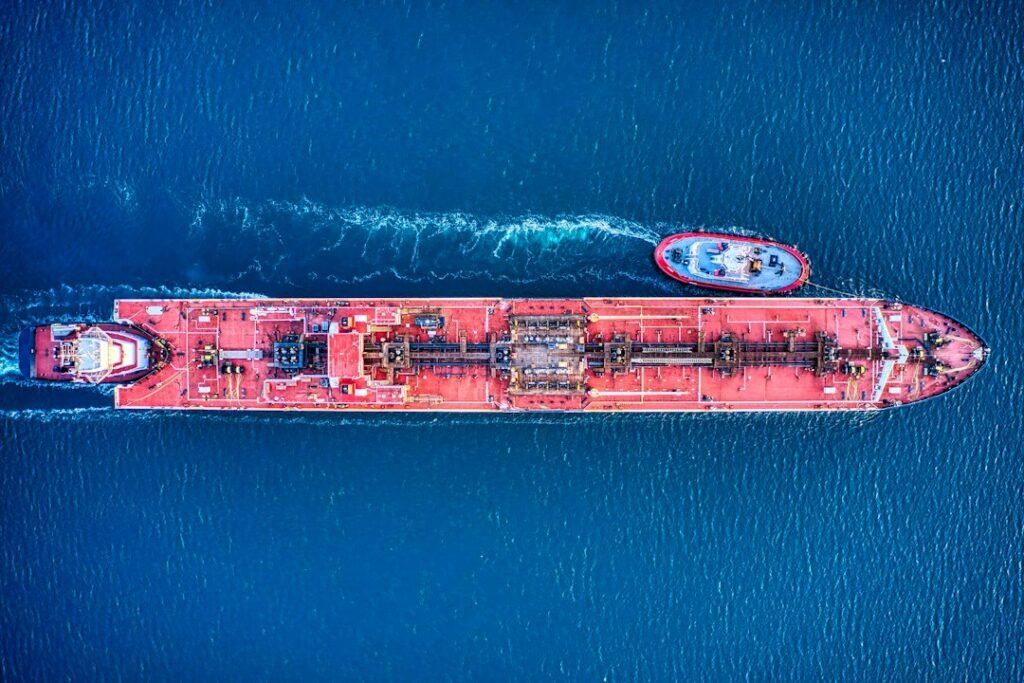
Featured image: illustrative oil tanker photograph by Venti Views / Unsplash. It does not depict the current Strait of Hormuz negotiations or a verified incident.


About The Author





Leave a Reply