Haiti Sets July 2027 Election Date as Salvadoran Troops Arrive — The Security Test Behind the Vote
· News Team
Updated October 29, 2026. Haiti has announced a new timetable for national elections, but the most consequential question is not the date on the calendar. It is whether voters, election workers and candidates will be able to participate safely in areas affected by armed groups.
What the election council announced
Haiti’s Provisional Electoral Council has scheduled the first round of presidential and legislative voting for July 18, 2027, with a second round and local elections planned for October 4, 2027. The new timetable replaces a first-round vote that had been planned for December 2026. According to the Associated Press, the council expects to finalize candidate lists around mid-January and close voter registration on May 20.
The announcement is a political milestone, not a guarantee that voting can take place. Haiti has not held a national election since 2016. The presidency has remained vacant since the assassination of Jovenel Moïse in 2021, while successive transitional administrations have struggled to restore basic security. The renewed schedule should therefore be understood as a target whose feasibility depends on conditions well beyond the election commission’s control.
Why the Salvadoran deployment matters
The election announcement coincides with a major security development. El Salvador has announced the deployment of more than 2,000 troops to Haiti amid efforts to locate four Salvadoran aviation technicians who disappeared following an attack near Port-au-Prince. The Reuters report published October 29 says Salvadoran and Haitian leaders discussed cooperation connected with the internationally backed Gang Suppression Force.
Crucial operational details remain unresolved in the public reporting. It is not clear whether all of the newly announced personnel will serve within the existing multinational framework or under a separate command, nor have the authorities fully explained the duration and rules governing the mission. Reports about arrivals and planned additional deployments should not be confused with a verified final troop count on the ground.
The difference between a calendar and a credible election
A credible vote requires more than ballot papers. Electoral officials need to register voters, distribute materials, secure polling stations and publish results in a way that can be scrutinized. Armed-group control of roads and neighborhoods complicates every stage. An expanded foreign security presence could help protect some operations, but its effectiveness, legal authority and impact on civilians will need independent assessment.
The humanitarian consequences are immediate. In a statement dated October 28, Doctors Without Borders (MSF) said its hospitals treated 30 people injured by gunfire or drone explosions between October 18 and 26. The medical organization warned that blocked routes and disrupted health services are limiting access to care. Election planning must therefore contend with a civilian protection emergency, not merely a logistical delay.
What to watch next
Three milestones will help show whether July 2027 is realistic: the publication of candidate lists, measurable access for voter registration, and a transparent explanation of the Salvadoran force’s command and civilian-protection safeguards. Without those conditions, a newly announced election date risks becoming another postponement rather than a path toward representative government.
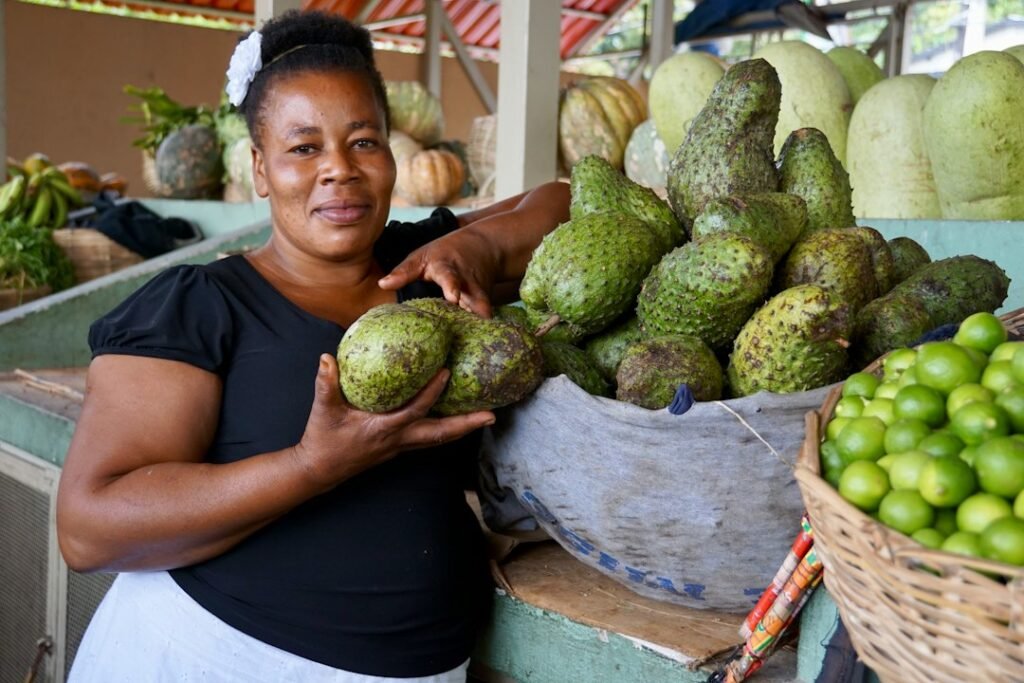
Image note: The featured photograph shows everyday life at a Haitian market and is archival/illustrative; it does not depict the October 2026 troop operation or an election event. Photo: Heather Suggitt / Unsplash.
Sources and verification
- Reuters, October 29, 2026 — Haiti election timetable and Salvadoran deployment
- Associated Press, October 29, 2026 — Electoral council dates, security and humanitarian context


About The Author





Leave a Reply