Bulgaria’s Yotova Heads for Presidential Win as Rival Concedes — Official Count Still Pending
· News Team
SOFIA, Bulgaria — November 2, 2026 (early update). Acting President Iliana Yotova appears headed for a full term after Bulgaria’s November 1 presidential runoff, with challenger Andrey Gyurov conceding defeat. The outcome is not yet an officially certified final result: the national election commission’s count is continuing, and reported figures come from partial official returns and parallel counts.
Parallel counts by five polling agencies placed Yotova between 56.6% and 58.2% of the vote, compared with approximately 38.6% to 40.6% for Gyurov, according to Anadolu Agency’s November 1 report. Bulgaria’s public broadcaster BNT reported the Central Election Commission’s first returns at 11:11 p.m. local time: with 17.39% of precinct protocols processed, Yotova had 57.94%, Gyurov 39%, and 3.05% selected neither candidate. Those partial returns are not a final national tally.
Why the result matters beyond Sofia
If confirmed, Yotova would become Bulgaria’s first woman elected president. She has been acting president since former President Rumen Radev resigned earlier this year to pursue parliamentary politics. Gyurov, a former caretaker prime minister supported by pro-Western reformist forces, acknowledged the result after voting ended, the Associated Press reported on November 1.
The presidency is not the office that runs Bulgaria’s day-to-day government. But it matters institutionally: the president can return legislation for reconsideration, performs important diplomatic and appointment functions, and serves as commander-in-chief. Yotova’s apparent win would also leave the presidency politically aligned with the governing Progressive Bulgaria majority. That alignment could ease coordination, while raising opposition concerns about how effectively institutions check one another.
Black Sea security and Ukraine remain the tests
The election unfolded amid anxiety over attacks on merchant shipping near Bulgaria’s Black Sea coast. Both candidates condemned the incidents, but they offered different emphases on relations with Russia and support for Ukraine. Yotova has called for diplomacy and a more independent Bulgarian foreign policy; Gyurov advocated a firmer pro-Ukraine position and closer alignment with Western partners, as Reuters detailed on election day.
The immediate question is not whether a president alone can rewrite Bulgaria’s EU or NATO commitments. It is how the next president uses the office’s influence, public statements and constitutional powers while the government handles maritime security and relations with allies.
Low turnout limits the mandate’s reach
Polling agencies estimated runoff participation at roughly 27%–29%, only modestly above the exceptionally low first-round turnout of about 23%, Reuters reported. A decisive lead among those who voted is not the same as support from a majority of all eligible voters. That distinction will shape arguments about the winner’s political mandate.
What happens next: Watch the Bulgarian Central Election Commission for the completed official count and certification. Until then, the percentages above should be read as preliminary, and any subsequent change will require an update.
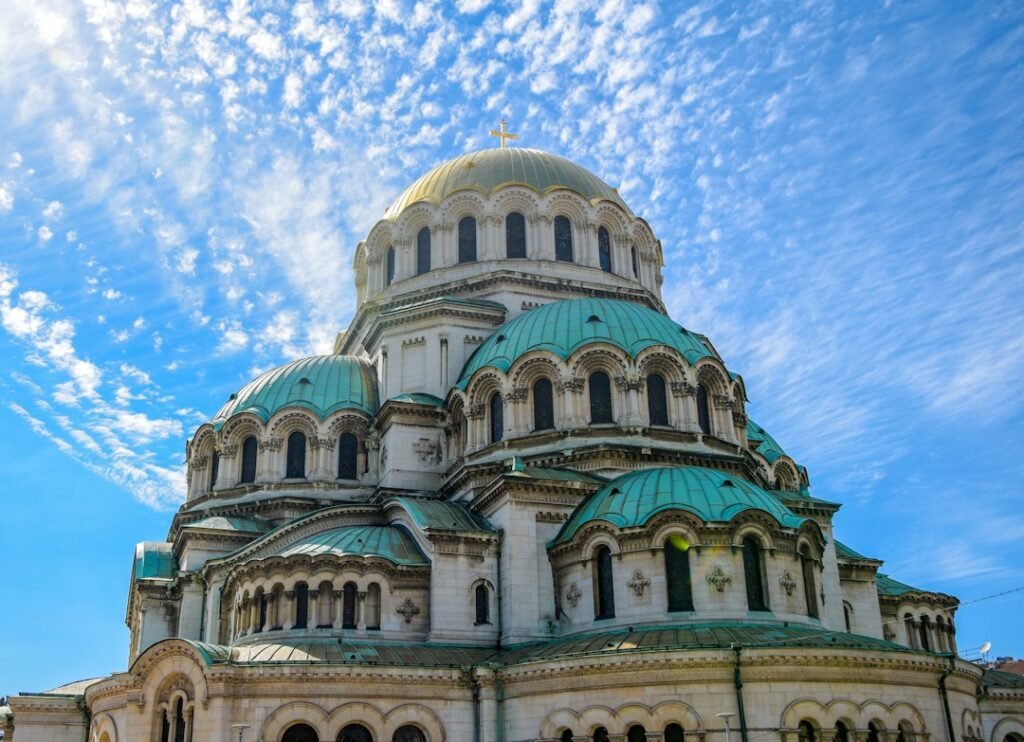
Featured image: Illustrative view of Sofia’s Alexander Nevsky Cathedral, not a photograph of voting or election-night events. Photo: Ivan Nedelchev / Unsplash.


About The Author





Leave a Reply