Bhutan Glacial-Lake Flood Cuts Road to Laya and Damages Hot Springs — What Is Known
· News Team
Updated October 31, 2026: A glacial lake outburst in northern Bhutan has damaged a popular hot-springs complex and cut a mountain road, underscoring the challenge of keeping communities and visitors safe along Himalayan river valleys. Authorities reported no injuries or deaths in initial assessments, but the full extent of damage was still being established.
What happened at Shintaphu Lake?
On the evening of October 29, water escaped from Shintaphu (also spelled Sintaphu) glacial lake in Bhutan’s Gasa district and rushed into downstream waterways. By October 30, reports described damage at the Gasa Tshachu natural hot springs, a well-known visitor destination, and a washed-out section of the route toward Laya village. According to Reuters’ October 30 report, citing Bhutan’s state broadcaster BBS and newspaper Kuensel, the area had been evacuated before floodwaters arrived.
Two portable Bailey bridges may have been swept away, BBS reported. That is a preliminary assessment, not a confirmed inventory of destroyed structures. Kuensel reported that the damaged road was closed to traffic indefinitely pending further assessment. People planning travel in the region should not assume access has resumed merely because the initial flood wave has passed.
Why the disruption matters beyond the flood site
The immediate consequences extend beyond damaged tourist facilities. In remote mountain districts, a severed road can complicate access for residents, emergency crews and suppliers. Gasa Tshachu has previously experienced destructive flooding: BBS documented the destruction of its hot-spring facilities in 2021, when the Mochhu River changed course. The repeated exposure makes reconstruction, road alignment and warning arrangements consequential long after the headlines fade.
Further downstream, precautionary warnings were issued in parts of India, including West Bengal and Assam, as officials monitored rivers linked to the Bhutanese watershed. Reporting on October 30 also described the preventive closure of the historic Punakha Dzong to visitors. These alerts and closures should not be confused with confirmed destruction across the entire river system.
What is a glacial lake outburst flood?
Glacial lakes can form near retreating glaciers and may be retained by natural barriers of rock, ice and sediment. If a barrier fails or water overtops it, a sudden release can carry debris rapidly through steep valleys. Several different mechanisms can trigger such a release; the precise physical trigger at Shintaphu had not been conclusively established in the initial reports. It would be premature to attribute this individual event to a single cause.
Bhutan has been investing in monitoring and preparedness. In a BBS report on hydrological-risk awareness, the National Centre for Hydrology and Meteorology described work with local officials on warning systems and downstream preparedness. The advance evacuation reported in this incident is an important outcome, but a fuller review is needed to determine which warnings reached whom and how quickly.
What remains unconfirmed?
As of the reporting reviewed for this article, the precise damage total, the condition of both suspected bridge losses, the cause of the lake outburst and the timetable for reopening the road had not been independently confirmed. Officials may revise their assessments. Travelers should check local government and transport advisories before attempting to reach affected areas.
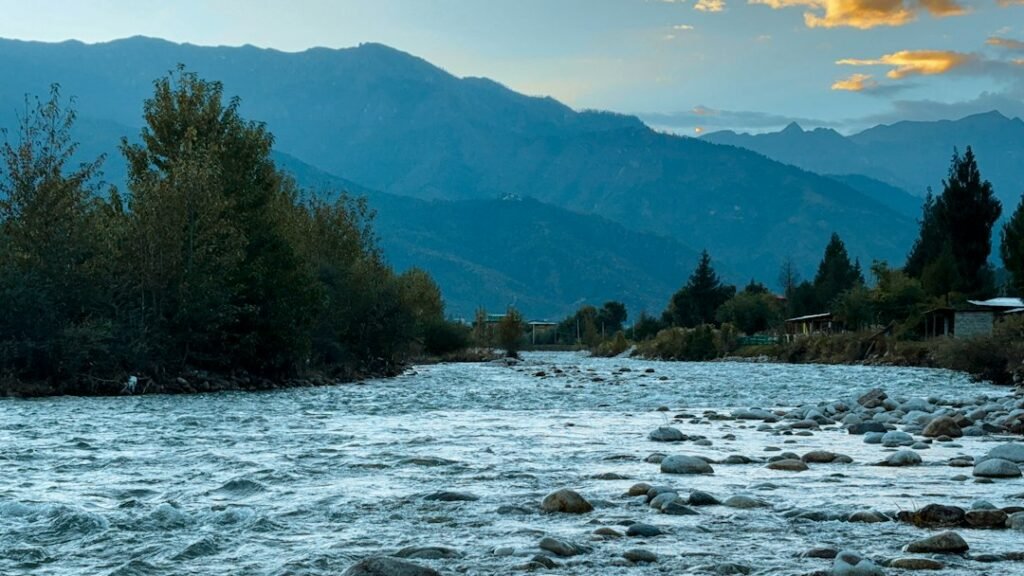
Image: A river landscape near Paro, Bhutan, photographed by Rama Krushna Behera / Unsplash. Illustrative photograph taken before the event; it does not show the October 2026 flood.
Sources: Reuters, October 30, 2026; Al Jazeera/Reuters, October 30, 2026; BBS historical flood coverage; BBS on flood preparedness.


About The Author





Leave a Reply