Delhi’s Post-Diwali Smog Pushes Neighborhoods Into Severe Pollution: Why Fireworks Are Only Part of the Crisis
· News Team
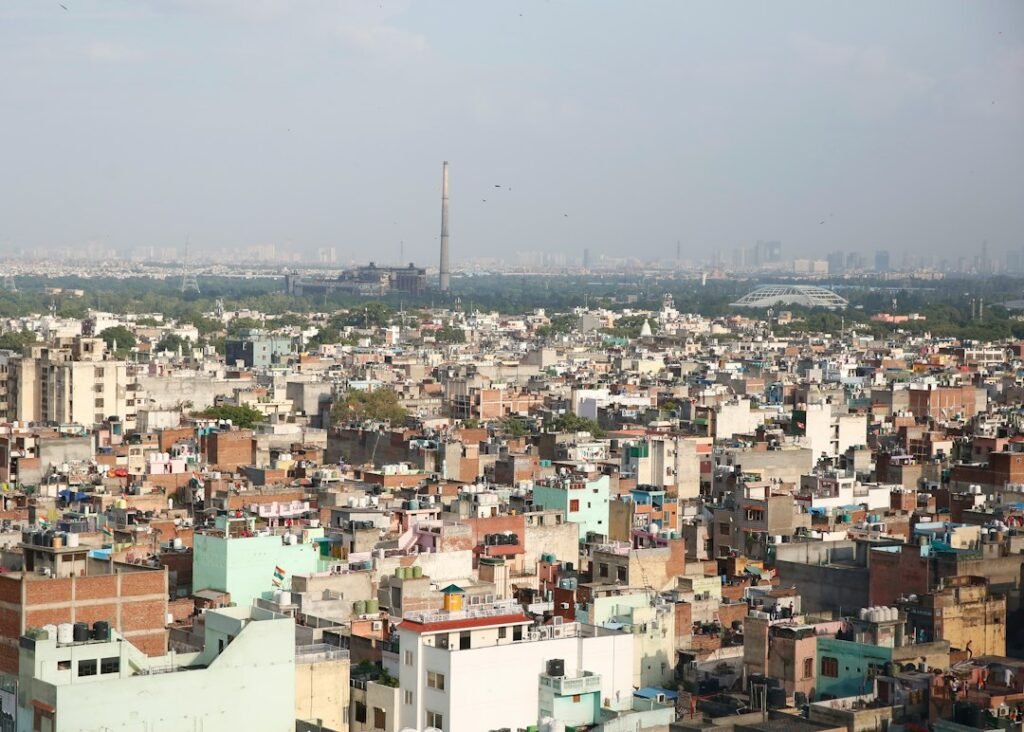
NEW DELHI, November 9, 2026 — Air pollution across India’s capital remained dangerously elevated on Monday after Diwali celebrations, with official monitoring showing that the city’s average air quality was very poor even as numerous individual neighborhoods registered severe conditions. The distinction matters: a citywide figure can obscure much worse exposure on particular streets.
What the monitors actually showed
At 9 a.m. local time, Delhi’s Air Quality Index (AQI) stood at 370, according to India’s Central Pollution Control Board figures reported by Reuters. On India’s national scale, readings of 301–400 are classed as very poor; values above 400 enter the severe category. Reuters reported that multiple localities exceeded 400. A separate early-morning reading of 368 at 7 a.m. was reported from the same official monitoring network. Those figures refer to different observation times and should not be presented as a contradiction.
The figures are also not directly interchangeable with the US AQI used by some international air-quality apps, which applies different calculations and thresholds. Comparisons need to specify both the index and the time recorded.
Why the air worsened after the festival
Firecrackers added a concentrated burst of particulate pollution during Sunday’s Diwali celebrations, despite rules limiting their use. But attributing Delhi’s entire winter smog problem to one festival would miss the underlying causes: vehicle exhaust, construction and industrial emissions, crop-residue smoke from surrounding areas, and cooler, stagnant weather that prevents pollutants from dispersing. These sources can keep pollution high long after fireworks have stopped.
India’s Supreme Court had allowed certified lower-pollution firecrackers only during restricted hours. Reporting from Reuters and the Associated Press described firecrackers being used outside those restrictions. The court’s limited permission should not be confused with an unrestricted fireworks ban or proof that every firework used was illegal.
Why the health risk is broader than visibility
Fine particles can enter deep into the lungs and increase risks for people with asthma, heart or respiratory conditions, children and older adults. The problem is not simply that the skyline looks hazy: prolonged exposure matters even when visibility temporarily improves. Delhi authorities had already introduced pollution-control measures before the festival, including restrictions affecting construction and requests for schools to offer online classes.
What happens next
The near-term outlook depends heavily on wind and atmospheric mixing. A single day’s fireworks emissions can dissipate, but persistent transport, industrial and regional sources mean that lasting improvements require more than short-term festival restrictions. The next useful measures are time-stamped official citywide and neighborhood readings, the duration of restrictions, and whether concentrations fall as weather changes.
Editorial note: AQI measurements are time-sensitive snapshots, not live readings. This article reports conditions observed on November 9, 2026. The featured photograph is an illustrative archival Delhi city view, not a photograph of the November 9 pollution event.
Sources and further reading
Reuters, November 9: Delhi air quality after Diwali; Associated Press, November 9: Smog and seasonal pollution; Business Standard, citing CPCB data, November 9.


About The Author





Leave a Reply