AI Data Centres Are Hunting Used Turbines and Retired Jet Engines. Here’s the Power Bottleneck Behind the Rush
· News Team
AI’s power bottleneck is sending developers into an unlikely market: second-hand gas turbines and retired aircraft engines. With new generating equipment booked years ahead, electricity suppliers and data-centre developers are exploring refurbished machines as a way to bring power online sooner. But an available turbine is not the same as an operational power plant.
A Reuters investigation published November 9 describes buyers hunting for used turbines, restarting mothballed equipment and considering conversions of former jet engines for stationary generation. Reuters reports that global orders exceed 100 gigawatts while annual manufacturing capacity is estimated at 60–70 gigawatts. These are industry-wide estimates, not a count of second-hand machines immediately ready to operate.
Why the shortage is credible
Manufacturers’ own figures help explain the pressure. In its July 22 second-quarter earnings release filed with the US Securities and Exchange Commission, GE Vernova said its gas-power equipment backlog and manufacturing-slot reservations had climbed to 116 GW, from 100 GW in the previous quarter. It planned annual turbine output of 20 GW in the third quarter of 2026, increasing to 24 GW in 2028. A backlog is a commitment spanning multiple delivery years; it should not be confused with annual factory capacity.
GE Vernova’s third-quarter earnings-call transcript subsequently described 122 GW under contract, including manufacturing slots booked for delivery in 2032. That is a company-specific figure, not the global market total. It reinforces the central problem: a project needing power soon cannot simply order a large new turbine and expect prompt delivery.
Why retired jet engines are not a shortcut to unlimited power
Aircraft-derived turbines can be adapted to drive generators, and refurbished equipment may be available faster than newly built heavy-duty units. But a second-hand machine still needs a suitable fuel supply, engineering inspection, emissions permits, electrical connections, controls and maintenance arrangements. Previous operating hours and the condition of critical components matter. Some designs are better suited to flexible or emergency duty than to round-the-clock operation.
There is also a trade-off for climate and local air quality. More fossil-fuel generation may support AI infrastructure in the near term, but it can add emissions and lock in fuel exposure unless projects have credible mitigation and longer-term transition plans. Renewable power, storage, grid upgrades and demand management remain relevant alternatives or complements; none automatically eliminates the need for reliable capacity at a specific site.
The business question behind the rush
Scarce hardware changes the economics of the AI buildout. A developer might save time by purchasing a used turbine, yet face higher refurbishment costs, operating risk or a longer permitting process than expected. Conversely, waiting years for new equipment can delay revenue from a completed data centre. Investors should distinguish an equipment reservation from an installed, connected and revenue-producing facility.
Bottom line: The emerging market for used turbines is a symptom of AI’s infrastructure race, not proof that the electricity shortage has been solved. The next milestones to watch are actual commissioned megawatts, grid access, delivered equipment and verified operating costs—not just announced capacity.
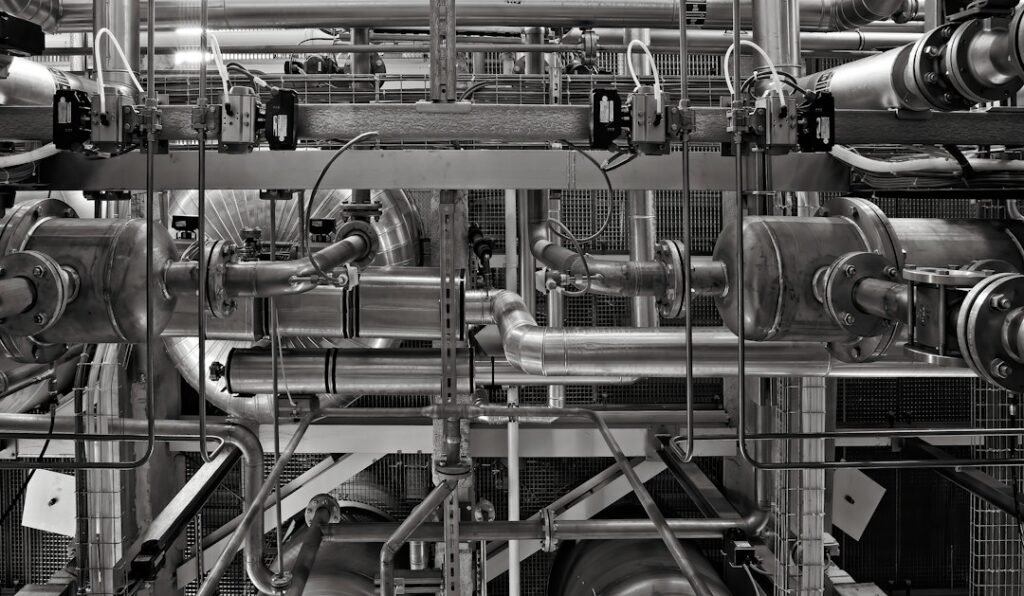
Featured image: illustrative industrial facility photograph by Ricardo Gomez Angel / Unsplash; it does not show equipment involved in the reported transactions.
Reporting basis: Reuters (November 9, 2026); GE Vernova’s SEC-filed second-quarter earnings release (July 22, 2026) and third-quarter management remarks. No photographs or videos in this article depict a specific turbine purchase described by Reuters.


About The Author





Leave a Reply