Russell Brand Conviction Puts Entertainment Industry Safeguards Under Renewed Scrutiny
· News Team
LONDON, November 6, 2026 — The conviction of British comedian and former broadcaster Russell Brand is prompting renewed questions about how entertainment employers respond when complaints involve prominent performers. On Thursday, November 5, a jury at Southwark Crown Court found Brand guilty of one count of rape and three counts of sexual assault involving four women. He was acquitted of two other rape counts and one count of attempted indecent assault.
What the verdict establishes
The verdicts are criminal findings on specific charges, not a ruling on every allegation that has been made about Brand. He denied wrongdoing during the trial. The judge refused bail and remanded him in custody, with sentencing scheduled for Monday, November 9; no prison term had been imposed as of this report. The distinction matters because reports discussing potential sentences should not be mistaken for a final judicial decision.
Why the case is continuing to develop
London’s Metropolitan Police Commissioner Mark Rowley said on Friday that further complainants might come forward following the convictions. Police have separately investigated allegations from two other women and referred case files to prosecutors. Those additional allegations are not convictions, and any future charging decision must be reported separately.
Beyond one celebrity
The case has intensified scrutiny of reporting channels and workplace safeguards in television and radio. The central institutional question is whether staff and freelancers can raise concerns about powerful talent without fearing retaliation or career damage. A criminal verdict does not itself determine the liability of broadcasters or production companies; reviews of their practices require their own evidence and process.
For media organizations, practical lessons include independent complaint routes, documented escalation procedures, protections against retaliation and clear separation between commercial talent relationships and safeguarding decisions. These are governance questions rather than findings about any particular employer in this case.
What happens next
The scheduled November 9 sentencing is the next major court milestone. Any further police investigations and potential charges should be tracked independently, with the identities of complainants protected. This article will not speculate about uncharged conduct or identify alleged victims.
Sources and verification
Reporting is based on Associated Press coverage of the November 5 verdict, Reuters’ November 6 report on police comments, and The Guardian’s November 6 account of industry reactions. All descriptions of pending allegations are distinguished from proven offences.
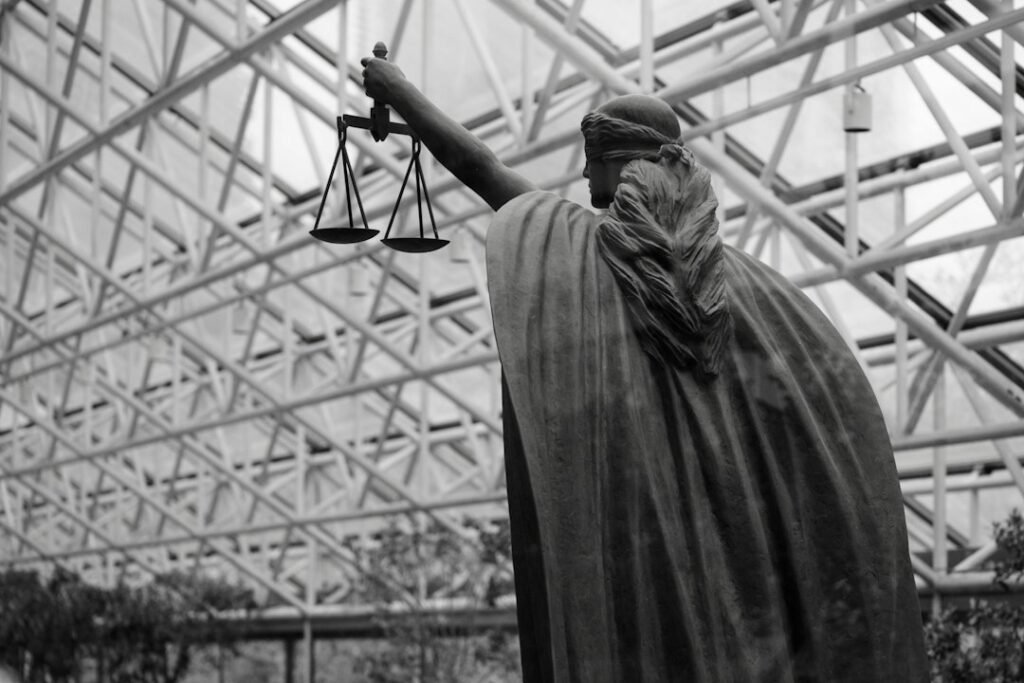
Illustrative featured image, if displayed: Lady Justice sculpture, not a photograph of the trial.


About The Author





Leave a Reply