Reliance’s Record Quarter Has a Split Story: Refining Surges While Retail Margins Shrink
· News Team
NEW DELHI, November 2, 2026 — Reliance Industries entered the new trading week with record quarterly revenue and operating earnings, but its latest results show a sharp divide between booming energy margins, growing digital services and a retail operation facing pressure.
The company’s October 30 release for the July–September quarter reported consolidated gross revenue of ₹362,268 crore, up 27.8% from a year earlier, and earnings before interest, tax, depreciation and amortisation (EBITDA) of ₹62,409 crore, up 23.9%. Total profit after tax reached ₹29,550 crore, an increase of 33.8%. A different, narrower measure—profit attributable to shareholders—rose 40.6% to ₹25,548 crore. These percentages refer to different profit measures and should not be conflated.
Energy did the heavy lifting
Reliance’s oil-to-chemicals business generated EBITDA of ₹25,203 crore, up 67.9% year over year, according to the company’s results presentation and management discussion. Executives attributed much of the gain to unusually tight energy markets and stronger refining economics, alongside operational execution. Reuters reported that the company diversified crude supplies and shifted fuel sales toward higher-value destinations as Strait of Hormuz disruption complicated trade.
That distinction matters for investors: a refinery can post record margins during a supply shock without those margins necessarily persisting when shipping and energy markets normalise. The quarter demonstrates Reliance’s ability to adapt, but it does not establish a permanent new earnings baseline.
Jio expands; retail is the counterweight
Digital services EBITDA rose 17.7% to ₹22,223 crore in the group’s release. Jio Platforms’ own comparable EBITDA increased 16.6%, while higher financing costs partly offset the growth in its profit. The figures point to strong demand for connectivity and digital services, but also show why operating profit and bottom-line profit must be read separately.
Retail was the conspicuous weak spot. Reliance Retail Ventures’ EBITDA after a one-time impairment charge declined 10.2% to ₹6,120 crore; the company reported an EBITDA margin of 7.8%, down from 9.0% a year earlier. Its release also shows a narrower 8.6% decline before that one-time charge. Reuters linked the pressure to expansion costs, digital-commerce investment and the timing of festive demand. Revenue growth alone therefore tells only part of the retail story.
Three questions for the next quarter
First, how much of the refining windfall survives if global fuel spreads narrow? Second, can Jio translate operating growth into cash earnings after financing and network costs? Third, will retail expansion produce enough incremental sales to restore margins? Those are more useful tests of earnings durability than a single record headline.
Reliance’s next results will provide evidence on all three. The October 30 figures are historical results, not a forecast of future share performance; trading outcomes remain uncertain.
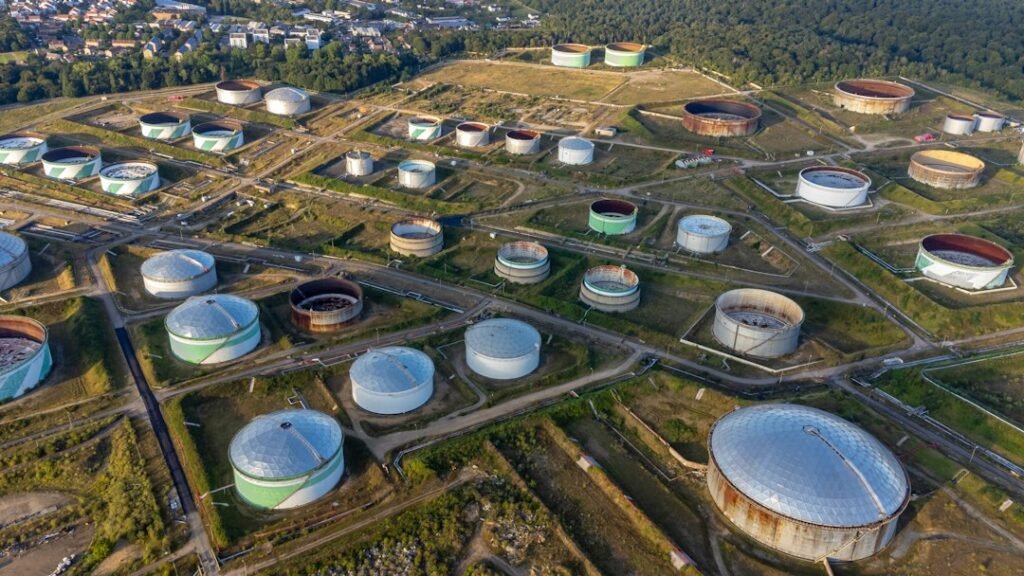
Image: Illustrative industrial facility photograph by jimmy desplanques / Unsplash; it does not depict a Reliance property.
Sources: Reliance Industries, Q2 FY27 financial results presentation and transcript (October 30, 2026); Reliance regulatory filing and media release (October 30, 2026); Reuters earnings analysis (October 30, 2026).
Primary-source viewing: The company’s results webcast and transcript are available directly from Reliance. No exact-event YouTube embed was verified for this article.


About The Author





Leave a Reply