Malaysia Airlines Warns Passenger Data May Be Exposed in Amadeus Incident — What Travelers Should Check
· News Team
Updated November 1, 2026. Malaysia Airlines has warned that some customer information handled by its reservations technology supplier, Amadeus, may have been affected by a cybersecurity incident. The airline says its own IT systems were not compromised and that it has seen no evidence so far that financial information was accessed. Those are important distinctions: a warning about possible exposure is not a confirmed finding that every passenger’s data was stolen.
What the airline has confirmed
In an official notice dated October 31, Malaysia Airlines identified a potential exposure window covering customer information processed through Amadeus between August 2023 and September 2026. It said it was working with Amadeus and other relevant parties to establish the impact. The notice did not specify the number of affected customers or list the exact categories of information potentially exposed.
That date range describes when information was processed by the supplier; it should not be read as proof that unauthorized access continued for three years. Equally, the airline’s statement that there is currently no evidence of accessed financial data is a statement about what investigators know at this stage, not an unconditional guarantee.
Why one supplier’s incident matters to several airlines
Airline reservations depend on shared technology providers. A security weakness in a common booking environment can therefore create questions for multiple carriers even when their individual websites and internal networks remain intact. Reuters reported on November 1 that Amadeus had acknowledged a vulnerability affecting a travel-booking display environment. The company had not provided a total count of affected customers in that report.
Other carriers have made separate disclosures. Cathay Pacific reported about 53,000 affected bookings, while Reuters reported Japan Airlines had identified approximately 92,000 affected customers. These are different measures—bookings and people—and should not be added together as a reliable industry-wide victim total.
What passengers should do now
Malaysia Airlines specifically urges customers to watch for unexpected messages requesting personal or financial details. Anyone who receives a purported booking-update email or text should avoid using links or phone numbers contained in an unsolicited message. Instead, open the airline’s official website or app independently and verify the reservation there. Be especially cautious about requests for payment-card details, account passwords or one-time security codes.
There is no public basis yet to conclude that a particular Malaysia Airlines booking was exposed solely because it falls within the processing period. Affected-customer notifications, more precise data categories and the findings of the supplier investigation remain the key information to watch.
The bigger test: disclosure with precision
The incident highlights a structural challenge in air travel: passenger trust depends not only on an airline’s own security but also on the controls and transparency of its vendors. For travelers, the immediate practical issue is phishing risk. For the industry, the longer-term test will be whether the parties can explain which booking records were accessible, how the vulnerability was contained, and what independent safeguards will prevent a recurrence.
Sources: Malaysia Airlines notice (October 31, 2026); Reuters (November 1, 2026); Reuters on Cathay Pacific (October 30, 2026).
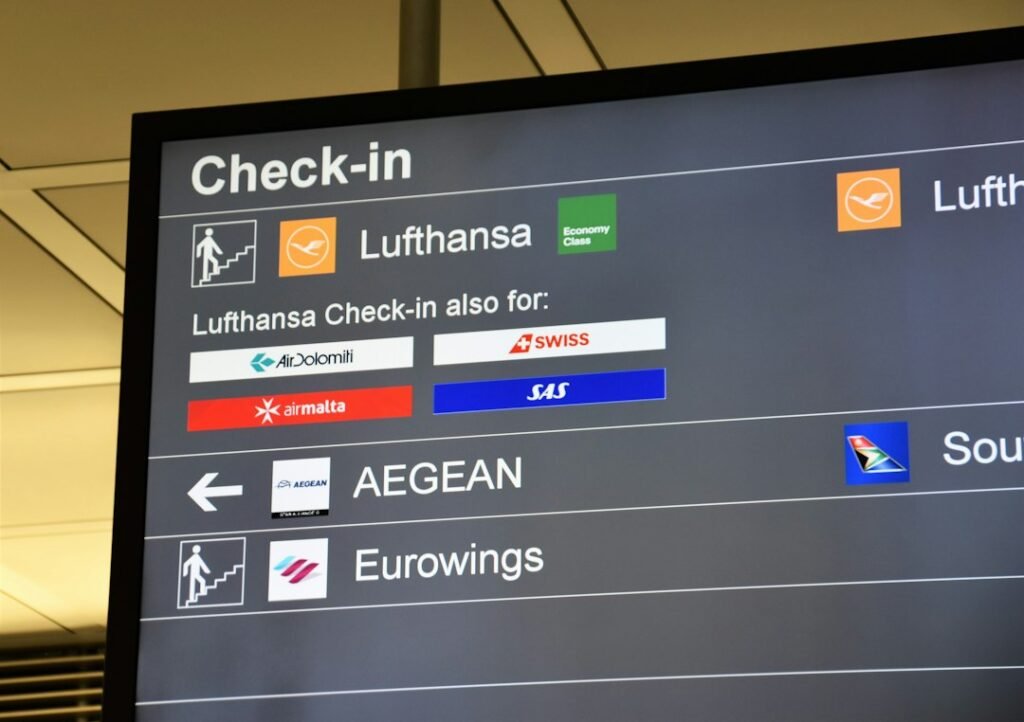
Featured image: Illustrative airport departure board photograph by Waldemar Brandt / Unsplash. Not a photograph of the cybersecurity incident. No same-event authorized embeddable video was independently verified at publication time.


About The Author





Leave a Reply