Africa’s First Olympic Sporting Event Opens in Senegal Today — What Makes Dakar 2026 Different
· News Team
DAKAR, Senegal — October 31, 2026 (reporting cutoff: 04:00 UTC). The Youth Olympic Games are scheduled to open in Senegal on Saturday, marking the first Olympic sporting event hosted on African soil. The milestone is bigger than a change of venue: it places African athletes, audiences and organizers at the center of a global Olympic competition. The opening ceremony at Abdoulaye Wade Stadium in Diamniadio is still ahead at this reporting cutoff; this is a preview, not a report that the ceremony has already taken place.
What is happening — and when?
The fourth Summer Youth Olympic Games run from October 31 through November 13. The International Olympic Committee (IOC) expects approximately 2,700 young athletes for 153 medal events across 25 competition sports, with 10 additional engagement sports. The IOC’s official media kit notes that baseball5 competition began on October 30, before the scheduled opening ceremony. That distinction matters: early competition does not mean the ceremony has already happened.
Competition is spread across eight venues in three host zones. Dakar will stage events including swimming, athletics and urban sports; Diamniadio hosts the opening ceremony, Olympic Village and indoor competitions; coastal Saly will host beach and water sports. The IOC’s venue guide details which sports belong at each location.
Why this is a historic first
Senegal’s hosting role makes the Games the Olympic movement’s first sporting event on the African continent, according to the IOC. That does not make Dakar a conventional Summer Olympics: the Youth Olympic Games are a separate competition for younger athletes, with a distinct sports and education programme. Conflating the two would diminish what is actually being achieved.
The flame’s route also gives the Games a national dimension. After being lit in Athens on September 10, it travelled to Senegal and through the country’s 14 regions in a programme described by organizers as “Pass the Energy.” The IOC’s flame announcement says the cauldron is due to be lit at the opening ceremony and subsequently displayed at Dakar’s Corniche West festival area.
What will viewers actually see?
The Olympic Broadcasting Services plan calls for roughly 507 hours of coverage across all 25 competition sports, including live coverage of 22 sports, according to an IOC announcement dated October 31. Coverage availability will vary by country and rights-holder; a production plan is not a guarantee that every event will be free to watch everywhere.
There is also a first-time Youth Refugee Olympic Team, adding a different kind of milestone. The IOC announced six selected athletes, while an Associated Press report independently documented the flame’s arrival and the importance of the event to Senegalese organizers and supporters.
The bigger test comes after the ceremony
The opening spectacle is one measure of success. A harder test is whether refurbished venues, youth programmes, accessibility initiatives and the event’s international exposure translate into lasting opportunities for Senegalese communities. The IOC has described legacy and youth engagement as central goals, but their long-term outcomes cannot be declared before the Games have even begun.
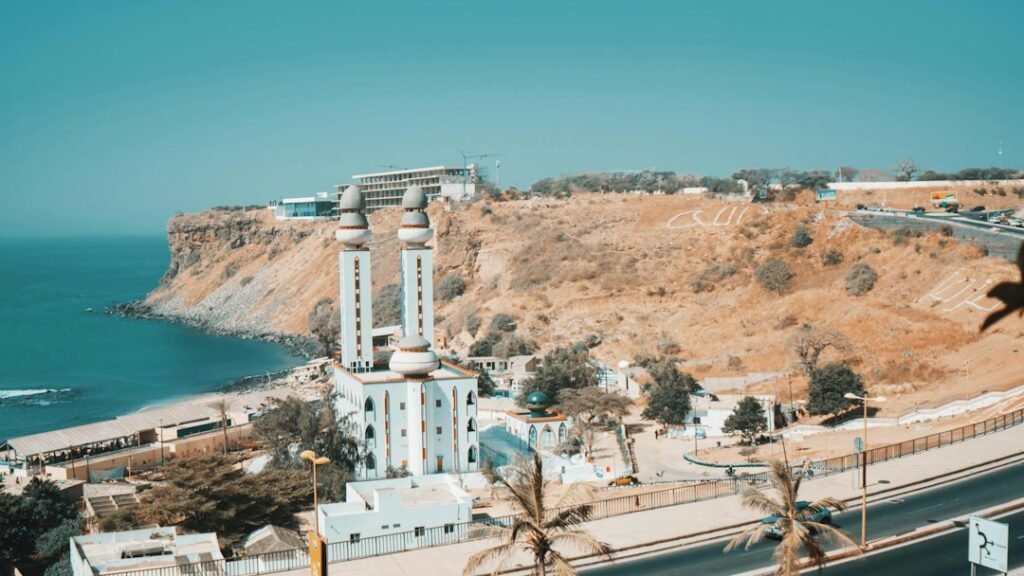
Image: The Atlantic coast in Dakar, Senegal, photographed by Eyelit Studio / Unsplash (Unsplash License). Illustrative location photograph; it does not depict the Games or the opening ceremony. No event footage is presented as verified here.
Source notes: IOC Dakar 2026 overview; IOC media kit; IOC venues; Associated Press. Figures and scheduled activities may change as organizers issue updates.


About The Author





Leave a Reply