Trump EPA Proposes Methane Rule Rollback: What the $45 Billion Savings Claim Does—and Doesn’t—Show
· News Team
October 28, 2026 — The U.S. Environmental Protection Agency has proposed rewriting methane-emission standards for oil and gas operations, setting up a consequential dispute over the cost of producing energy and the value of preventing wasted natural gas and climate pollution. The changes were announced October 27; they are proposals, not already-finalized repeals.
What the EPA is proposing
The agency’s October 27 announcement identifies five areas of proposed change to rules often referred to as OOOOb/c. Among the most consequential: withdrawing the Super Emitter Program that certifies third-party monitoring of large methane releases; creating more tailored categories for well sites; and allowing certain controlled flaring options for gas produced alongside oil where pipelines are unavailable.
These changes could affect operators differently. Small or low-output wells may have fewer resources to absorb monitoring and equipment costs. But the environmental significance of a leak does not necessarily scale with a well’s output: a large number of relatively small sites can collectively produce substantial emissions.
The $45 billion figure is an estimate, not a saving already delivered
EPA says its proposal could save consumers and businesses $45 billion and enable an estimated 210 million additional barrels of oil and 1.41 trillion cubic feet of natural gas. These are the administration’s projected outcomes, not measured results. The public announcement does not establish how much of any eventual compliance-cost reduction would be passed to households rather than retained by producers.
The distinction matters at a time when oil prices are sensitive to global supply risks. Looser domestic rules might reduce costs for some producers, but a direct and immediate fall in gasoline or heating bills cannot be inferred from the headline savings estimate alone. Production decisions also depend on market prices, drilling economics, infrastructure and the time needed to bring new supply online.
The environmental trade-off
Methane is the principal component of natural gas and a powerful heat-trapping pollutant. Preventing leaks can both reduce emissions and preserve a saleable fuel. Supporters of the rollback argue that the previous rules placed disproportionate burdens on marginal producers; critics say weakening leak detection and repair would sacrifice a relatively direct way to reduce near-term warming.
According to Associated Press reporting, the earlier federal rule was projected to prevent 58 million tons of methane emissions by 2038 and deliver an estimated $98 billion in benefits by 2034. Those figures, too, were model-based projections using assumptions that differ from the current administration’s approach. They should not be treated as directly comparable cash balances or guaranteed outcomes.
What to watch next
The central questions are whether the proposal becomes a final rule, what emissions controls remain enforceable, and how its costs and benefits are calculated in the supporting regulatory analysis. The administration’s projected savings and production increases should be assessed against expected methane releases, health and climate impacts, and the practical ability of regulators and operators to detect unusually large leaks.
Bottom line: This is a significant proposed policy shift, but the rule has not yet completed the regulatory process. A $45 billion projected reduction in costs is not proof of $45 billion in household savings, just as projected emissions benefits are not measured reductions.
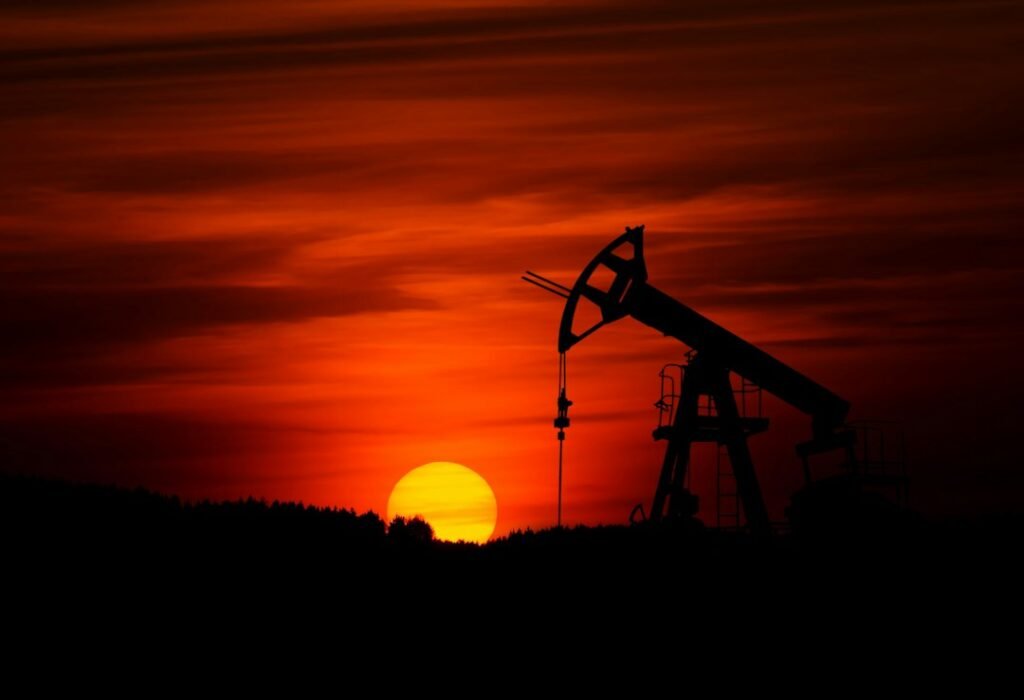
Illustrative featured photograph: oil pumpjack at sunset by Zbynek Burival / Unsplash. The image does not depict the October 27 announcement.
Sources and reporting notes
- U.S. EPA, October 27, 2026: official proposed rule announcement
- Associated Press, October 27–28, 2026: independent reporting and context
- Reuters, October 27, 2026: Texas announcement and political context


About The Author





Leave a Reply