Renewables May Lose Their Record Pace in 2026 — The Grid Bottleneck Behind the Warning
· News Team
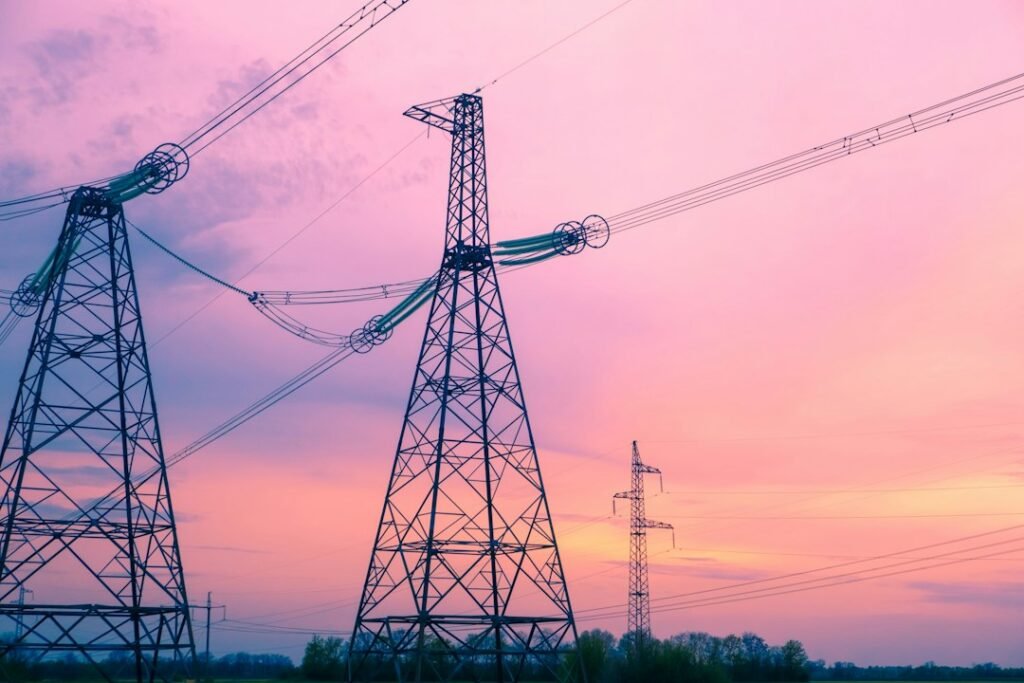
October 27, 2026 — Energy transition. After a record year for solar and wind, the world may install less new renewable electricity capacity in 2026 than it did in 2025. The warning is not that clean-power plants are disappearing. It is that the wires, substations and grid connections needed to use new generation are struggling to keep up.
Francesco La Camera, director-general of the International Renewable Energy Agency (IRENA), told Reuters on October 27 that grid constraints and trade barriers could interrupt a five-year run of rising annual additions. He did not provide a numerical forecast for 2026. His assessment is therefore a warning about the direction of annual installations, not a confirmed year-end result.
The numbers: a record baseline, not a collapse
2025 renewable-capacity fact box
- 692 GW: new renewable generating capacity added globally.
- 5,149 GW: total installed renewable generating capacity at year-end.
- 511 GW solar and 159 GW wind: the two largest sources of new capacity, rounded.
- 85.6%: renewables’ share of all net global power-capacity additions.
Source: IRENA, Renewable Capacity Statistics 2026 announcement, April 1, 2026. These figures describe installed generating capacity, not electricity actually produced.
The distinction matters. Even if the world adds fewer gigawatts in 2026 than the exceptional 692 GW recorded in 2025, total installed renewable capacity can still rise. Nor does a decline in annual additions by itself establish a decline in renewable electricity generation, which also depends on weather, equipment availability and grid operation.
Why a new solar farm can be ready before the grid is
Solar panels and wind turbines can be installed faster than some transmission projects can be permitted, financed and constructed. A power plant that cannot secure a connection may sit idle or operate below its potential. Where supply exceeds the network’s ability to move electricity to customers, operators can curtail output — meaning otherwise available generation is not accepted by the system.
La Camera identified curtailed renewable generation in China as a major contributor to his weaker 2026 outlook. Reuters also reported pressure on networks in Australia and Japan. Those are examples of the broader mismatch, not proof that every market faces the same constraints.
This is a longstanding structural challenge, not a problem first identified this week. In its 2023 electricity-grids assessment, the International Energy Agency estimated that at least 3,000 GW of renewable projects were waiting in connection queues in the countries it could assess. That is a historical benchmark, not a fresh October 2026 queue count. The IEA also estimated that more than 80 million kilometres of grids would need to be added or refurbished by 2040 to meet national energy and climate goals.
What changes the outlook?
Building more turbines alone will not solve an electricity-delivery bottleneck. More useful indicators include whether grid connection queues shorten, whether transmission upgrades are completed on time, whether storage and demand flexibility can absorb surplus generation, and whether curtailment rates decline. Faster permitting and coordinated planning can matter as much as equipment orders.
The financial consequence is also practical: projects unable to deliver electricity reliably can earn less than their installed capacity suggests. For households and businesses, the issue is whether lower-cost generation reaches the point of consumption, not simply whether another solar or wind facility has been announced.
As a related example of electricity infrastructure pressure, see Tectonics’ coverage of Singapore’s planned power-capacity expansion.
What remains unknown
There is no published 2026 global additions figure in La Camera’s remarks, and the year has not ended. It would be premature to state that 2026 installations have fallen, or to calculate a percentage drop. The key follow-up is the actual full-year capacity dataset, alongside evidence that power-grid constraints are easing or worsening.
Sources and verification: Reuters, October 27, 2026 (La Camera’s current outlook); IRENA, April 1, 2026 (verified 2025 capacity totals); IEA, October 17, 2023 (historical grid-capacity assessment).
Image disclosure: The featured photograph is an illustrative stock photograph of electricity transmission infrastructure, not a photograph of the IRENA interview or a specific 2026 grid incident. Photograph by Evgeniy Alyoshin via Unsplash (Unsplash License).
Video: No independently verified, authorized recording of the October 27 remarks was available for embedding at publication. No unrelated footage has been used.


About The Author





Leave a Reply