Singapore Plans 26% Power Capacity Increase as AI and Chip Demand Surge
· News Team
SINGAPORE, 26 October 2026 — Singapore has outlined a major expansion of its electricity system: five natural-gas-fired power plants are scheduled to become operational between 2026 and 2031, lifting the country’s installed generation capacity by about 26% from roughly 12 gigawatts. The government’s new five-year infrastructure plan also covers grid upgrades, energy storage, solar generation and cross-border electricity imports.
The announcement matters beyond Singapore. As semiconductor manufacturing, data centres and electric vehicles push electricity consumption higher, the city-state is attempting to add dependable power without abandoning its longer-term plans for cleaner energy. The Energy Market Authority’s (EMA) 26 October announcement provides the detailed figures; CNA and Reuters independently reported the rollout.
Why Singapore needs more electricity
Peak electricity demand stood at 8.6 GW in August 2026, EMA said. By 2031 it could reach between 9.9 GW and 13 GW, depending on the pace at which energy-intensive investments and electric transport come online. These are peak-demand projections, not the same measure as the country’s installed generation capacity.
The five gas-fired plants are planned to enter service by 2031; EMA is separately assessing proposals for additional plants that could begin operating in 2032. Minister Tan See Leng described the infrastructure programme in his 26 October Singapore Energy Lecture as the country’s most substantial energy-system build-out in decades.
What the five-year plan actually includes
- Power generation: Five new gas-fired plants are scheduled to increase installed capacity by about 26% from roughly 12 GW.
- Electricity grid: Up to S$5.3 billion in projected investment between 2025 and 2029, including seven new transmission substations by 2031 and expansion of high-voltage cables from about 7,700 km to 9,100 km by 2030.
- Solar: A new target of 4 gigawatt-peak (GWp) by 2035, up from 2.3 GWp already deployed. The existing 2030 goal remains 3 GWp.
- Storage: A goal to raise energy-storage capacity from roughly 350 megawatt-hours to just over 1 gigawatt-hour by 2030.
- Gas infrastructure: LNG regasification capacity is planned to rise from 10 million to 15 million tonnes per year once the second terminal at Jurong Port becomes operational by 2030.
These are announced plans and projections, not evidence that all projects have been completed or that the maximum grid expenditure has already been spent.
The trade-off: resilience now, emissions later
Natural gas currently supplies about 95% of Singapore’s electricity, according to EMA. Adding gas-fired generation offers dispatchable capacity for a grid facing rapidly rising demand, but it also leaves the country exposed to international fuel prices and supply disruptions. The planned LNG expansion addresses import-handling capacity; it does not eliminate exposure to the global gas market.
Solar and batteries can diversify supply and help balance demand, but the units matter: GWp measures the rated peak output of solar panels, while GWh measures how much energy storage systems can hold. Neither is directly interchangeable with a gas plant’s installed generation capacity. Singapore is also examining additional low-carbon electricity imports and a possible energy infrastructure cluster on Pulau Tekong, subject to further studies.
For investors and technology companies, the key question is whether electricity capacity, substations and grid connections can arrive quickly enough to support semiconductor factories and data centres. For households, the announcement does not itself establish a future retail electricity tariff or guarantee lower bills.
Original announcement and event video
The full official Singapore Energy Lecture transcript and EMA’s detailed five-year plan are available from the issuing authorities. As of publication, we could not verify an authorized, playable recording of the 26 October 2026 announcement with confirmed embedding rights. No unrelated older video has been inserted. An exact-event recording may be linked or embedded later only after its date, ownership, permissions and playback are verified.
Photo credit and context
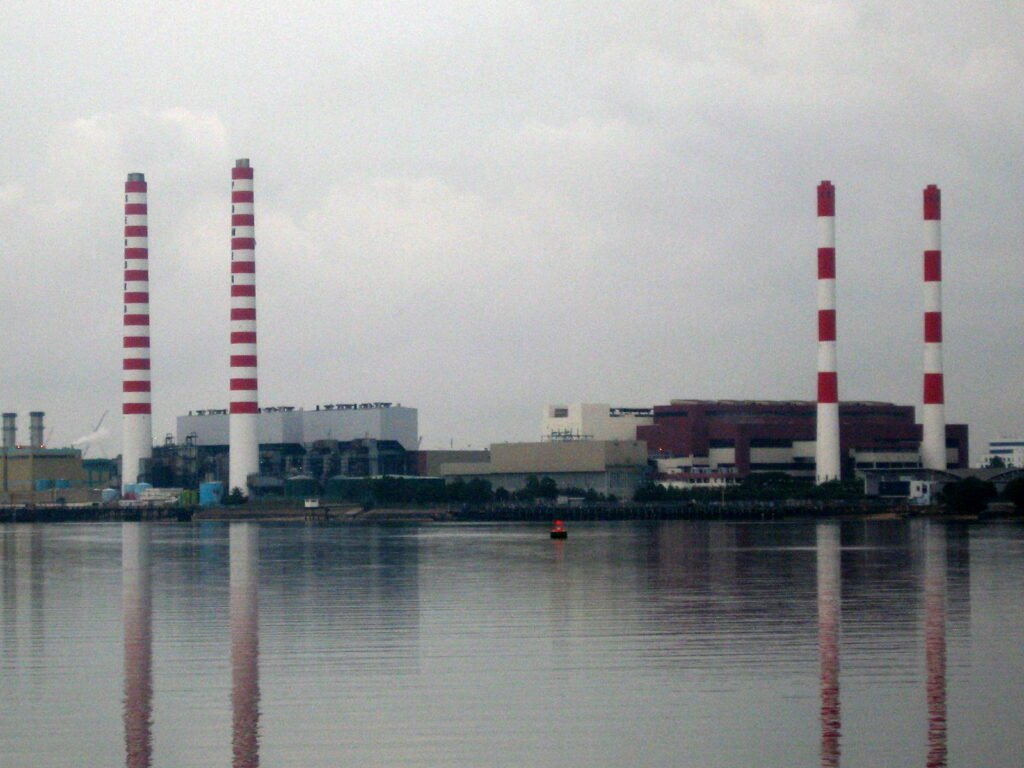
Featured image: Existing Senoko Power Station in Singapore, photographed in February 2007 — archival illustration, not a photograph of the five new planned plants. Photo by Terence Ong / Wikimedia Commons, CC BY 2.5. The original file is unaltered; automatic website thumbnail crops may differ.
Further reading: For background on why data centres can place pressure on power systems, see our explainer on generative AI’s environmental impact.
Sources and verification: EMA (primary announcement, 26 October); Singapore Ministry of Energy, Trade and Industry (primary speech, 26 October); CNA (independent reporting, 26 October); Reuters (independent reporting, 26 October).


About The Author





