China’s Communist Party Opens Four-Day Plenum: Why Xi’s Governance Push Matters
· News Team
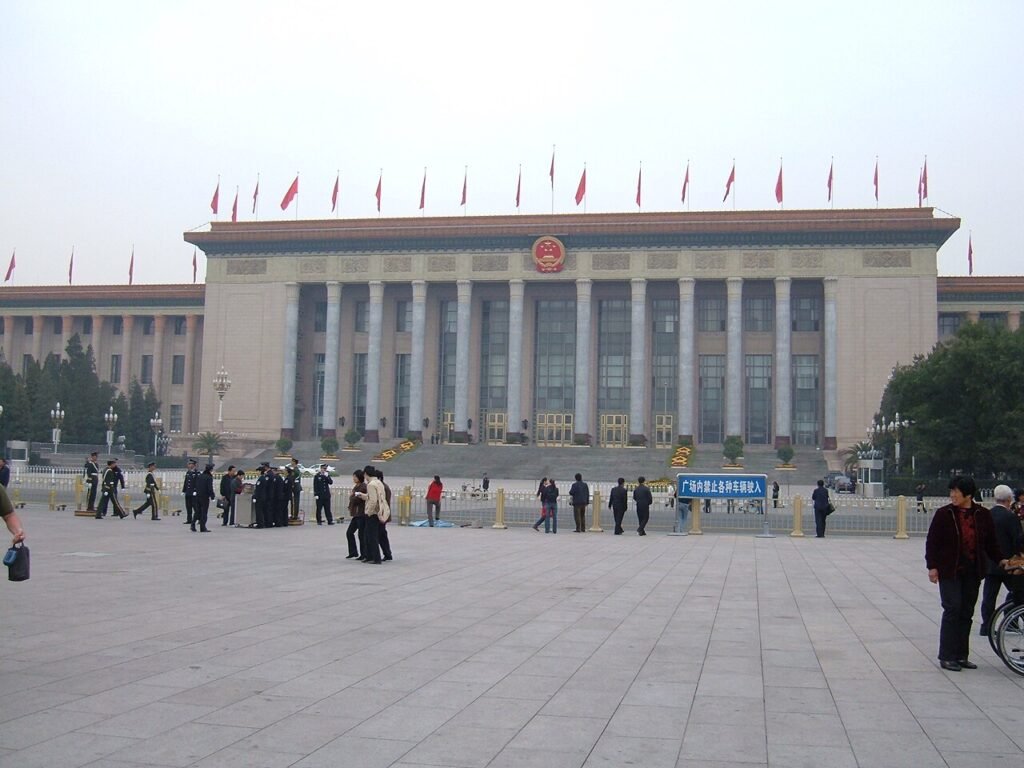
BEIJING, October 26, 2026 — China’s ruling Communist Party began a four-day meeting of its Central Committee on Monday, with President Xi Jinping presenting a work report and outlining a draft decision on tightening internal party governance. The meeting runs from October 26 through October 29, according to the party’s official announcement. It comes ahead of the next national party congress expected in 2027, when senior leadership questions will attract particular scrutiny.
China’s official Xinhua news agency confirmed the opening and said Xi explained a draft decision on the party’s continued effort to enforce strict internal governance. Read Xinhua’s October 26 opening announcement (Chinese). Independent accounts from Reuters and Associated Press place the meeting in the context of anti-corruption enforcement, administrative discipline and personnel uncertainty.
At a glance: What is established
- Meeting: Fifth plenum of the Communist Party’s 20th Central Committee.
- Dates: October 26–29, 2026, in Beijing.
- Confirmed opening agenda: Xi’s work report and discussion of a draft decision concerning comprehensive and rigorous party governance.
- Not yet established: The final adopted text, any personnel decisions and the political consequences of the closed-door discussions.
Why the agenda matters beyond party headquarters
The term plenum refers to a meeting of the party’s Central Committee between national congresses. The body brings together senior officials whose decisions help establish priorities for government ministries, provincial authorities and state institutions. This year’s agenda is notable for focusing on the way the party governs itself rather than announcing a new national economic plan.
The leadership argues that stronger internal discipline is necessary to prevent corruption and improve implementation. Outside analysts also examine whether intensified scrutiny can discourage officials from making decisions, reduce room for dissent and concentrate authority. These are competing interpretations of a political process that is not open to independent observation in full; neither should be presented as a proven outcome of this week’s meeting.
For businesses and international observers, the practical question is whether tighter oversight produces clearer and more predictable decisions, or creates further uncertainty for local officials and companies. Any such effects would need to be assessed against subsequent regulations and implementation, not assumed from the meeting’s opening statements.
What to watch through October 29
First, the final communiqué: The language adopted at the end of the meeting will show which governance priorities the party formally endorses. Second, personnel changes: Appointments or disciplinary decisions could offer clues about how the leadership is managing vacancies, but none should be presumed before an official announcement. Third, implementation: The consequences for local administration and economic policymaking will become clearer only as agencies act on the decisions.
The 2027 party congress provides the wider backdrop. Expectations about Xi’s future leadership and the party’s next senior appointments are analysis, not decisions announced at the opening of the plenum. Reuters’ procedural explainer describes how the Central Committee meeting fits into the party’s calendar.
Video and primary documentation
As of this report, we could not independently authenticate a publicly embeddable, exact-event video of the October 26 opening with verified reuse and playback permission. No video player has been added rather than risk showing unrelated or older footage. The official Xinhua opening dispatch provides a directly attributable record of the event. We will add an exact-event authorized watch link if one is verified.
Sources and editorial note
Primary source: Xinhua’s October 26 opening report. Independent reporting: Reuters and AP. This report distinguishes confirmed proceedings from expectations and will be updated with a clearly dated note if the party releases substantive decisions.


About The Author





