Qantas’ 850-Role AI Overhaul: Automation or Offshoring? The Evidence Still Matters
· News Team
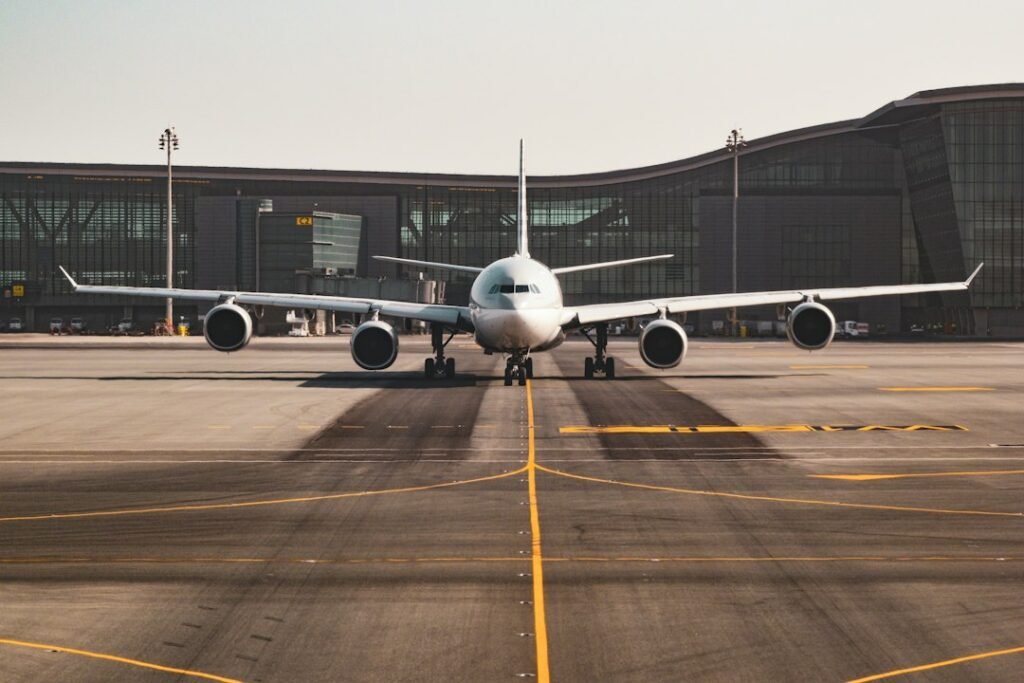
SYDNEY, November 12, 2026 — Qantas plans to shift some corporate work to consulting group Accenture in a technology overhaul affecting around 850 positions. The airline says modernising fragmented systems will help it deploy artificial intelligence. The immediate employment mechanism, however, is partly outsourcing—not proof that AI software has already replaced those jobs.
What Qantas actually announced
In its official announcement, Qantas said its partnership would update back-end processes, data and more than 1,000 legacy applications. Some corporate services will transfer to Accenture teams, mostly in India and partly in Australia. Automation and AI are expected to transform the work over time. Qantas expects its first wave of changes by mid-2027 and says it will consult affected workers and unions before individual outcomes are decided.
The distinction matters: an employer may have a genuine long-term AI strategy while the near-term savings come from changing who performs the work and where. The announced 850 roles are expected to be affected over several years; they should not be described as 850 positions already eliminated by AI.
The broader ‘AI washing’ dispute
Reuters reported on November 11 that unions and analysts are questioning whether Australian companies sometimes use AI as an explanation for restructuring primarily driven by offshoring and conventional cost reduction. That is a contested interpretation, not a proven finding of wrongdoing by Qantas.
Qantas argues that its aging systems and scattered data impede improvements and that Accenture provides specialist capacity. The airline also points to investment in its Adelaide product innovation centre and growth in operational jobs. Critics focus on the loss of existing Australian corporate roles and whether workers will share in any productivity gains.
What would demonstrate real AI productivity?
Evidence would include measurable automation of particular workflows, service-quality improvements, the timing of those gains relative to job transfers, and transparent accounting of implementation costs. Without those measures, the public cannot reliably separate AI-led efficiency from labor-cost arbitrage. It is also too early to know how many affected employees will be redeployed.
The bigger question is not whether Qantas will use AI—it says it already does—but whether its restructuring produces demonstrable technological improvements and fair transition outcomes rather than simply relocating work.
Sources
- Qantas Group: official Accenture partnership announcement.
- Reuters: Australian companies face AI-washing claims, November 11, 2026.
- The Wall Street Journal: Qantas–Accenture restructuring coverage.


About The Author





Leave a Reply