COP17 Adopts Yerevan Pathway to Rescue 2030 Nature Goals — but the Funding Gap Remains
· News Team
YEREVAN, Armenia — October 31, 2026. Governments have concluded the UN’s COP17 biodiversity conference with an agreement to accelerate action on nature protection, but the summit’s central dilemma remains unresolved: how to turn international commitments into measurable change, and who will pay for it.
Delegates adopted the Yerevan Pathway following the first collective review of progress under the Kunming–Montreal Global Biodiversity Framework. The review found that the world is not on track to meet its 23 targets by 2030. The new pathway identifies priorities rather than declaring those targets achieved. It calls for faster national implementation, reform of incentives that harm nature, greater support for developing countries and stronger monitoring. The Convention on Biological Diversity’s October 31 announcement sets out those decisions.
What the agreement actually changes
The framework agreed in 2022 includes the ambition to conserve at least 30% of land and waters and restore 30% of degraded ecosystems by 2030. The Yerevan outcome does not create a new global 30% target; instead, it acknowledges that existing goals are slipping out of reach and seeks to accelerate their implementation.
One important focus is public money that inadvertently damages ecosystems. Governments reaffirmed efforts toward reducing harmful incentives by at least $500 billion annually by 2030. That figure is an existing target, not an amount already saved or newly pledged at this meeting. The difficult work will involve changing domestic subsidy and spending decisions in agriculture, energy and other sectors.
Nearly $2 billion announced is not the same as a solved funding gap
The CBD secretariat said the conference featured announcements totaling nearly $2 billion in biodiversity funding, including commitments or initiatives involving the Global Environment Facility, species recovery and private-capital mobilisation. Announcements differ in their structure, timing and disbursement; they should not be interpreted as $2 billion already transferred to conservation projects.
Developing countries continue to press for predictable and accessible finance. Negotiators agreed further work on a permanent funding mechanism and on broadening the group of contributors, but key financing details were left for later discussions. Reuters’ October 31 reporting describes the unresolved funding tensions.
Indigenous participation and accountability
Beyond finance, the summit agreed operating rules for a permanent subsidiary body dealing with Indigenous peoples and local communities, an institutional change intended to strengthen their role in biodiversity negotiations. The decisions also covered scientific monitoring, invasive species, protected areas and the relationship between biodiversity policy and economic planning.
Germany’s environment ministry described the outcome as a candid assessment with substantial work still ahead. Its October 31 statement notes that the financing mechanism and technical details of the Cali Fund remain unfinished.
The next test comes at home, not at another summit
The practical measure of success is whether governments now change national budgets, land-use decisions, subsidy systems and reporting practices. Without those steps, another pathway risks becoming another statement of intent. The next COP is planned for Quito, Ecuador, in 2028—leaving only two years after that meeting to reach the 2030 deadline.
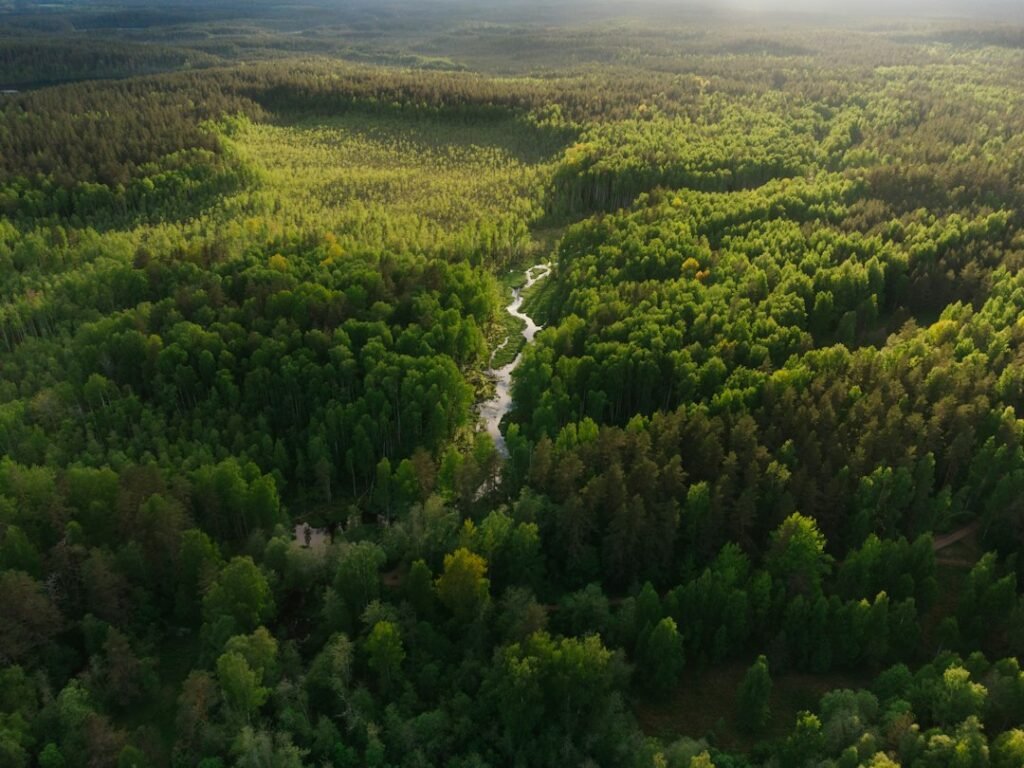
Featured photograph: illustrative forest landscape by Michail Dementiev / Unsplash. It does not depict the Yerevan conference.
Primary sources: CBD secretariat, October 31; German Federal Environment Ministry, October 31. Independent reporting: Reuters, October 31.


About The Author





Leave a Reply