UN Political Mission Closes in Somalia: A Sovereignty Milestone With an Election-Mediation Gap
· News Team
October 31, 2026 | Mogadishu. The United Nations Transitional Assistance Mission in Somalia (UNTMIS) has concluded its mandate after a two-year handover, ending a succession of UN political missions that helped the country rebuild institutions and negotiate disputes over more than three decades. The closure was requested by Somalia’s government and authorized by the Security Council. It is a transfer of political responsibilities—not a withdrawal of every UN agency or international security partner.
What has changed today?
According to the UN Secretary-General’s October 27 statement and the UN’s handover account, UNTMIS’s mandated functions have been transferred to Somali institutions and UN agencies, funds and programmes under a jointly agreed roadmap. A formal closing ceremony took place in Mogadishu on October 26; the mission’s mandate ends October 31. That distinction matters: the ceremony and the legal end of operations occurred on different dates.
The government describes the transition as evidence of greater national ownership. UN humanitarian and development agencies remain active, while African Union forces continue their separate security mission and receive logistical assistance from a different UN support office. Saying that the entire UN has left Somalia would therefore be incorrect.
Why the political timing matters
The handover comes amid an unresolved dispute over presidential and parliamentary terms. Constitutional changes extended terms from four to five years; the government argues they allow current officeholders to serve until 2027, while opposition leaders dispute applying the extension to those already in office. Associated Press reporting describes the absence of an agreed replacement for the mission’s political mediation role.
That is the immediate institutional risk: even where ministries and agencies can assume routine responsibilities, rival political actors may still need a mutually trusted forum to resolve election rules and legitimacy disputes. A mission’s formal departure does not itself settle those disagreements. President Hassan Sheikh Mohamud has invited political leaders to talks in November, but participation and any outcome remain uncertain.
Security and humanitarian pressure remain
Al-Shabaab continues to pose a security threat, and recurring drought and flooding compound humanitarian needs. The UN Secretary-General has urged continued international support for inclusive dialogue, institutions, human rights and a sustainable security transition. These are separate challenges: reducing the international political footprint may increase local ownership, but it does not automatically increase the resources available to address conflict or hunger.
What to watch next: Whether the proposed November talks include major opposition groups; whether Somali institutions can maintain credible channels for political compromise; and whether international partners sustain humanitarian and security support. The handover is a milestone, but the test is what happens after the mission closes.
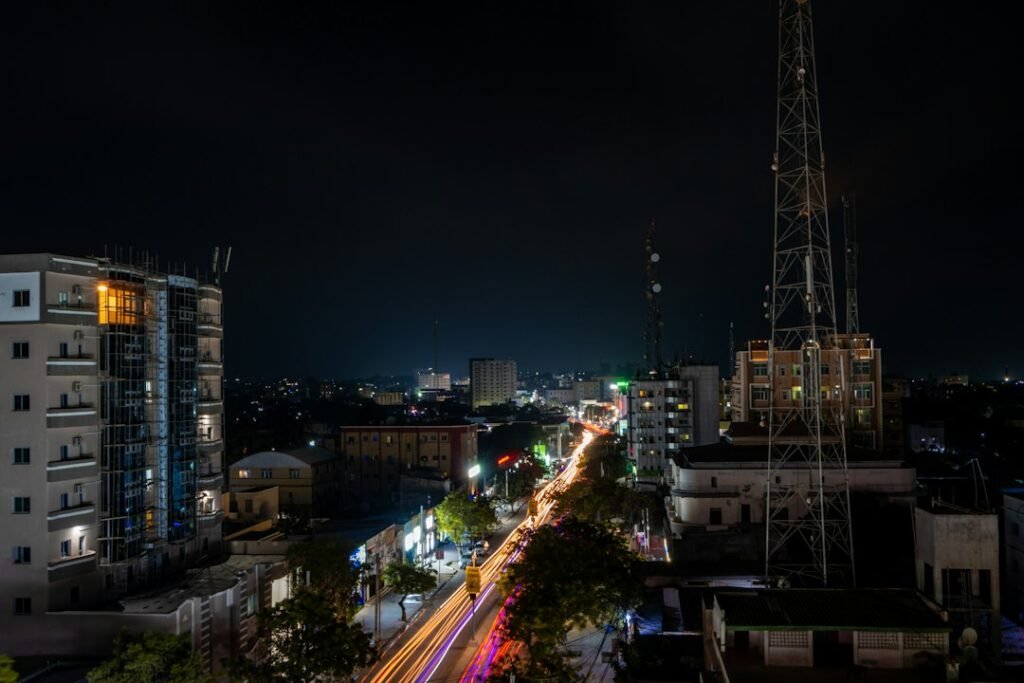
Featured photograph: Mogadishu street scene, illustrative only—not the closing ceremony. Photo: Abdalla Emiir / Unsplash.
Reporting sources: United Nations in Somalia (October 27); UN Department of Political and Peacebuilding Affairs (October 26); Associated Press (October 29).


About The Author





Leave a Reply