Iran and Qatar Hold Fresh Doha Talks as US Strike Fears Rise — Why No Deal Is Yet in Sight
· News Team
Updated October 31, 2026. Iranian representatives met Qatari mediators in Doha on Saturday as diplomats searched for a route out of the Gulf war. The discussions are significant, but they are not a ceasefire agreement: there is no verified breakthrough, and the United States has not announced that it will refrain from further strikes.
What happened in Doha?
Reuters reported on October 31, citing a person briefed on the negotiations, that Iranian and Qatari envoys met in Doha following more than 12 hours of talks in Tehran on Friday. The source said the mediation was coordinated through continuing contacts with Washington. Because this account relies partly on an unnamed source, the precise negotiating positions should be treated as reported rather than independently confirmed public commitments.
Qatar’s role is not new. In an October 6 foreign-ministry statement, Doha said it was exchanging messages between Washington and Tehran and pursuing negotiated solutions. That earlier statement establishes the mediation channel; it does not independently verify the details of Saturday’s private meeting.
Two seven-day proposals, different starting points
According to Reuters, Qatari mediators had put forward a sequence of confidence-building measures over seven days before wider negotiations. Iranian officials considered that plan insufficient. Iran’s alternative would require the United States to lift its port blockade, release frozen assets and approve a proposed shipping arrangement before the Strait of Hormuz reopens. Those are negotiating demands, not agreed steps. The sequencing matters: one side seeks confidence-building first, while the other seeks tangible sanctions and maritime concessions at the outset.
Why the timing raises the stakes
The discussions come days before the November 3 US midterm elections. The Associated Press reported on October 28 that US officials had warned regional partners to prepare for possible renewed military action and retaliation. AP’s sources also stressed that no final presidential decision had been made. Iran has warned that it would respond to new attacks, while its leadership has publicly called for military readiness.
The diplomatic and military tracks are therefore moving simultaneously. A meeting in Doha may reduce the risk of miscalculation if it creates a credible channel for concrete concessions. But a meeting alone cannot guarantee safe passage through Hormuz or prevent another escalation.
What to watch next
The meaningful tests are whether the parties publicly confirm a negotiating framework, whether maritime restrictions change in practice, and whether both sides take independently verifiable steps to reduce hostilities. Until then, claims of an imminent peace deal would overstate the evidence.
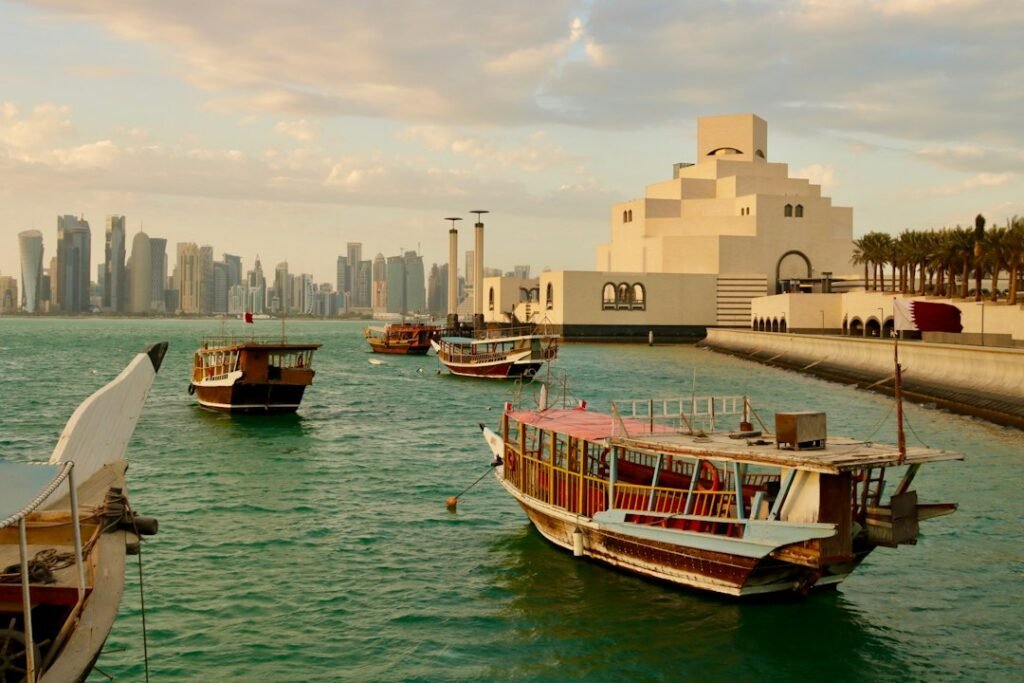
Image: Illustrative view of Doha, Qatar, photographed by Hongbin / Unsplash. The photograph does not depict the October 31 meeting.
Sources and further reading
Reuters, October 31 · AP, October 28 · Qatar Foreign Ministry, October 6


About The Author





Leave a Reply