Pennsylvania Measles Cases Reach 1,426 as Vaccinations Rise — Why the Outbreak Is Still Spreading
· News Team
October 30, 2026 — Pennsylvania has confirmed 1,426 measles cases across 44 counties this year, with 268 hospitalizations and five measles-associated deaths, according to its latest health department update. The total rose by 28 cases since October 28. The figures show an outbreak that continues to generate new infections even as vaccination outreach expands.
The Pennsylvania Department of Health’s October 30 update is the primary source for the statewide totals. Those are confirmed, reported cases, not a definitive count of every infection. A separate Associated Press report published October 30 describes barriers to testing and care in parts of Lancaster County, where some infections may never enter the official tally.
What the latest numbers do — and do not — tell us
The state recorded 1,398 cases and 265 hospitalizations on October 28. Its October 30 figures therefore represent 28 additional confirmed cases and three additional reported hospitalizations. The five measles-associated deaths are unchanged. The state also says only four of its confirmed cases this year were in vaccinated individuals.
It would be misleading to interpret the hospitalizations divided by reported cases as the risk faced by every person who contracts measles: milder infections can go undiagnosed, while hospitalized patients are more likely to be counted. Similarly, the share of reported cases among vaccinated people cannot, on its own, measure vaccine effectiveness. That calculation requires information about vaccination coverage and exposure across the population.
Why community trust matters
AP’s reporting highlights Lancaster County’s Amish and conservative Mennonite communities, but it also documents differences in attitudes and practices within those groups. Public-health challenges cannot responsibly be reduced to a single religious explanation. Access to care, established routines, community relationships and wider changes in confidence in vaccines all affect how prevention messages are received.
The state has reported more than 150,000 MMR doses administered statewide since August 1, including more than 50,000 in October as of its October 28 briefing. Those vaccinations are a substantial response, but the latest case numbers alone do not show whether transmission has peaked. Measles can spread before a rash is recognized, and reporting delays make short-term trends difficult to interpret.
What people should know about protection
The U.S. Centers for Disease Control and Prevention estimates that two MMR vaccine doses are about 97% effective at preventing measles. The CDC recommends two doses for children under its routine schedule; adults’ needs depend on their evidence of immunity and exposure risk. Anyone unsure of their vaccination history should consult a clinician or local health department.
Symptoms can include fever, cough, runny nose, red eyes and then a rash. People who suspect exposure or illness should call a health professional before arriving in person so the facility can reduce the risk of exposing others.
The larger question
For Pennsylvania, the test is not simply how many vaccine doses can be delivered. It is whether public-health teams can reach susceptible people, detect infections early and sustain trust long enough to interrupt transmission. The October 30 update documents continued spread; it does not establish that the outbreak is over or that vaccination outreach has failed.
Sources and reporting cutoff: Pennsylvania Department of Health, October 30, 2026; state update, October 28, 2026; Associated Press, October 30, 2026; CDC MMR vaccine guidance. Figures are current to the state release of October 30.
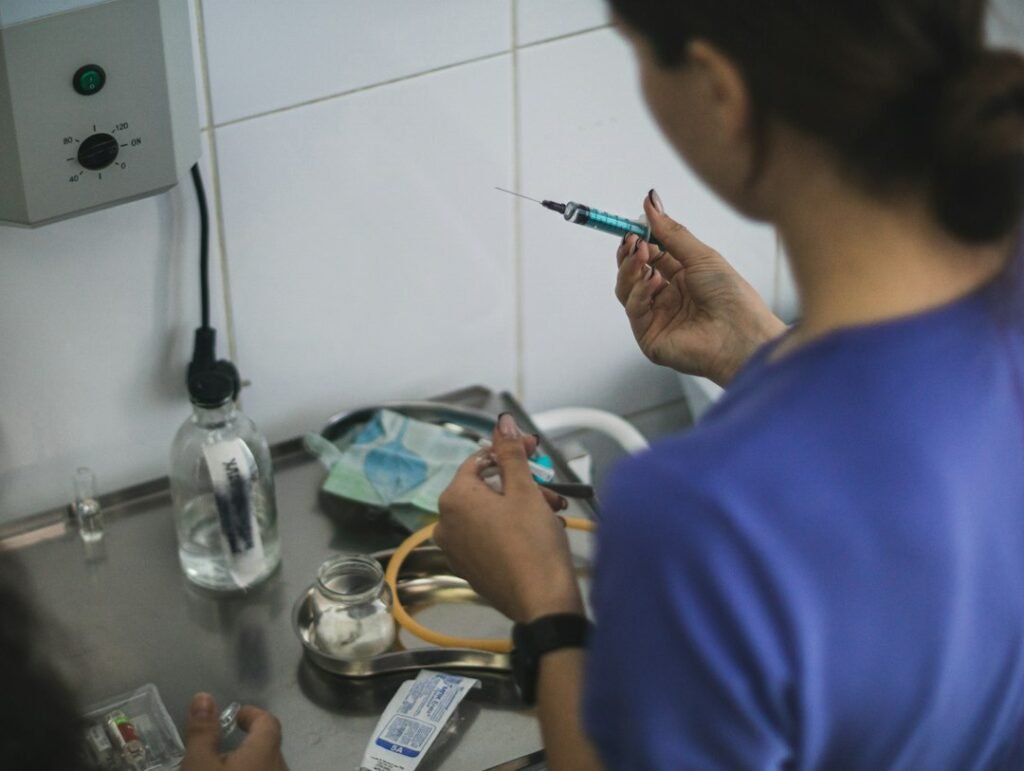
Featured image: illustrative medical photograph by maks_d, via Unsplash (Unsplash License). It does not depict a Pennsylvania outbreak location or patient.


About The Author





Leave a Reply