Albania’s Opposition Sets Off Flares in Parliament — Why Student Protests Are Escalating
· News Team
TIRANA, October 29, 2026 — Albania’s political confrontation moved back inside parliament on Thursday, where opposition lawmakers set off blue flares and obstructed the speaker’s podium during a debate involving central-bank legislation. The incident came after weeks of student-led demonstrations demanding Prime Minister Edi Rama’s resignation.
What happened in parliament
According to Reuters’ October 29 eyewitness reporting, members of the opposition Democratic Party prevented normal access to the podium as lawmakers were considering a law concerning the Central Bank. Some held blue flares, the party’s color, while others displayed photographs of people reported to have been injured in earlier protests.
Albanian outlet Dosja reported separately on Thursday that opposition lawmakers blocked the lectern and held banners supporting student protesters. Its account supports the broad description of a disrupted session, although details of every confrontation should not be inferred from older videos.
Why the protests have become a national political test
The movement has been driven by frustration over perceived corruption, unemployment and educational conditions. Students began demonstrating in mid-October, and protests subsequently spread beyond the capital. Some earlier rallies involved clashes with police and attacks on public buildings and businesses; others were peaceful. The distinction matters because the entire protest movement should not be characterized as violent based on particular incidents.
Rama, who has led Albania since 2013 and secured another term in 2025, has rejected calls to leave office in response to unrest. His government has offered measures including cheaper fuel and additional support for lower-income households. It has also proposed penalties for people who participate in protests that turn violent, a policy that raises questions about proportionality and how individual conduct will be assessed.
Two competing arguments—and the democratic stakes
Protesters and opposition politicians say public institutions have failed to respond adequately to concerns about accountability, employment and education. The government argues that policy disagreements should be resolved through institutions and elections, not violence. Those positions do not settle whether police actions or proposed protest penalties are lawful or justified; such claims require separate evidence and legal scrutiny.
Parliamentary disruption makes the crisis more visible, but it does not establish that the government has lost its legislative majority or that an early election is imminent. The next useful indicators are whether lawmakers can resume normal proceedings, whether students and officials enter meaningful talks, and whether the next planned demonstration remains peaceful.
Sources and chronology: Reuters, parliamentary disruption (Oct. 29); Dosja, same-day parliamentary report (Oct. 29); Reuters, prior street clashes (Oct. 24); Reuters, government measures and protests (Oct. 25).
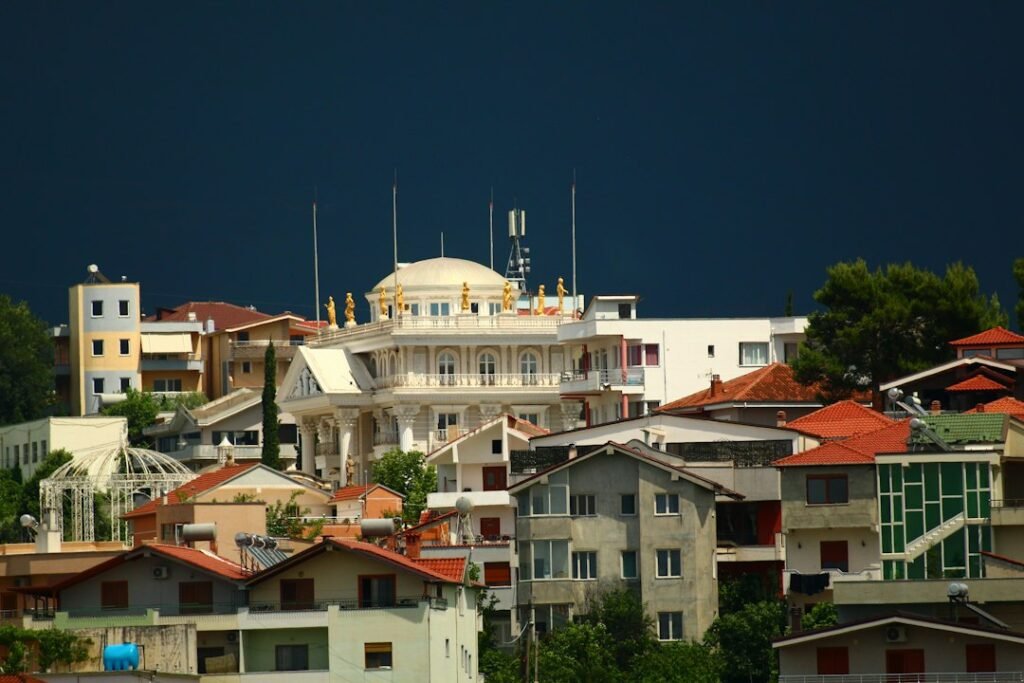
Featured image: general Tirana skyline by Seval Torun via Unsplash. Illustrative only; it does not depict the October 29 parliamentary incident. No older protest footage has been presented as today’s events.


About The Author





Leave a Reply