Oil Prices Climb After Houthi Claim About Saudi Refinery — What Is Actually Confirmed?
· News Team
October 28, 2026 — Oil prices rose on Wednesday as traders weighed a claim by Yemen’s Houthi movement that it had struck Saudi Arabia’s Ras Tanura refinery. The most important distinction is between a claimed attack and independently established damage: Reuters reported that Saudi authorities had not immediately confirmed a strike on the refinery. That uncertainty is central to the market story.
What is confirmed — and what remains disputed
The Houthis said they fired a ballistic missile at Ras Tanura, a major Saudi oil-processing and export hub. Reuters reported the claim on October 27 and separately reported on October 28 that benchmark oil futures climbed more than 1% amid renewed supply concerns. Saudi Arabia had previously reported intercepting missiles directed at Riyadh, but that does not independently establish that the refinery was hit, that production stopped or that oil exports were interrupted.
Reuters cited Bloomberg reporting of a contained fire near the terminal; the location, cause, extent and operational impact should not be treated as independently verified in the absence of an official assessment. There was no confirmed figure for lost output in the reports reviewed for this article.
Why a claim can move prices before the damage is known
Ras Tanura is strategically important because it connects Saudi refining and export infrastructure to international buyers. Reuters describes the refinery as capable of processing roughly 550,000 barrels of crude per day. That capacity figure is not an estimate of barrels lost in this incident. Markets can nevertheless reprice risk quickly when a large energy hub appears threatened, especially when alternative shipping routes are already under pressure.
Reuters reported Brent futures around $115.47 per barrel and U.S. West Texas Intermediate around $101.33 in its October 28 market update, each up about 1.4% at the cited time. Those are time-specific market quotations, not forecasts or current live prices. A price increase does not prove that an attack damaged infrastructure; it can reflect insurance, transport and geopolitical risk premiums as well as changes in expected physical supply.
The wider economic stakes
For oil-importing economies, higher crude costs can eventually raise transport and manufacturing expenses, although the effect on consumers depends on currency movements, taxes, refining margins and the duration of the price shock. For exporters, higher prices may lift revenue even as threats to terminals and pipelines create operational and security costs. The outcome will depend less on the initial claim than on any verified outage, its duration and the availability of replacement supply.
Energy-market participants will be watching for a direct Saudi statement, independently documented physical damage, confirmed refinery operating changes, and updated shipping or export data. Until then, a headline saying the refinery was definitively destroyed or shut down would go beyond the available evidence.
Sources and editorial note
- Reuters, October 27: Houthi claim concerning Ras Tanura.
- Reuters, October 28: oil market reaction and uncertainty.
- Reuters, October 27: separate Saudi interception reports.
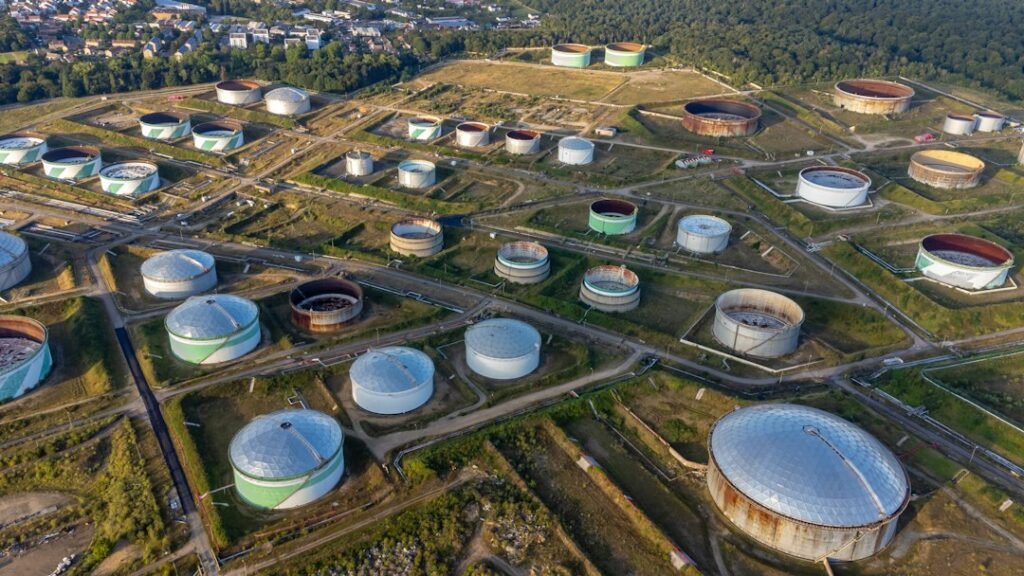
Image: General industrial infrastructure, not Ras Tanura or the reported incident. Photo by jimmy desplanques / Unsplash; used as an illustrative stock image.
Video: No independently verified, rights-cleared exact-event video was available for inclusion at publication. This article does not use unrelated footage.


About The Author





Leave a Reply